
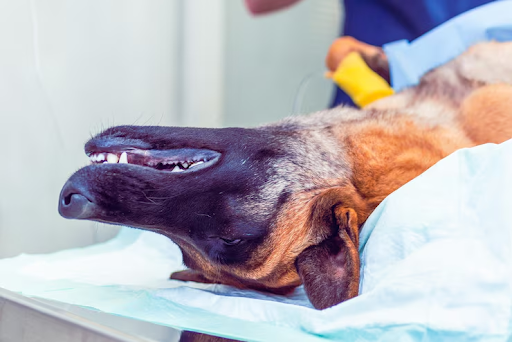
Pet Paralysis: Warning Signs, Urgent Steps, and Recovery Questions

Watching a dog suddenly stumble, drag its paws, or fail to stand is frightening. The safest response is to treat a new loss of movement as an urgent veterinary problem, even when the animal does not seem to be in pain. Early assessment can help identify whether the cause involves the spine, nerves, muscles, or another body system. Knowing the warning signs helps owners describe symptoms clearly to a veterinary team.
What Pet Paralysis Actually Means
Pet paralysis describes a partial or complete loss of voluntary movement. Some animals cannot use their hind legs; others have weakness affecting all four limbs. Weakness and paralysis are not interchangeable, so a veterinarian examines strength, reflexes, and sensation rather than relying on a video alone.
The timing matters. Pet paralysis that appears within minutes deserves an immediate emergency assessment. A gradual decline over weeks also requires medical attention, although the diagnostic pathway may differ. Owners should record when the symptoms began, whether there was a fall, and what changed before the animal stopped walking.
Five Signs That Should Prompt Emergency Care
Look beyond whether your dog can stand. Warning signs include:
- Dragging one or both rear legs or scraping the tops of the paws.
- Sudden yelping, a tense back, or reluctance to move the neck.
- Repeatedly stumbling, crossing the legs, or knuckling over.
- Losing control of urination or struggling to empty the bladder.
- Becoming unable to rise, walk, or bear weight normally.
When these symptoms accompany pet paralysis, avoid waiting overnight to see whether the problem resolves. Severe pain, difficulty breathing, or rapidly progressing weakness makes immediate veterinary evaluation especially important.
Why Dogs Sometimes Lose the Use of Their Legs
One well-known cause is intervertebral disc disease, or IVDD. A damaged disc may compress the spinal cord and interfere with messages travelling between the brain and legs. Trauma, inflammation, infections, vascular events, and other neurological diseases can create similar signs. Tick-related problems are another possible consideration depending on the animal’s exposure and location.
There is no single home test that identifies the cause of pet paralysis. Two dogs showing similar hind-leg weakness can require very different treatments. A careful history and neurological examination help clinicians decide which possibilities deserve urgent investigation.
What to Do Before You Reach the Hospital
First, phone an emergency veterinarian and describe the onset and progression. Keep the dog as still as practical and avoid encouraging walking, jumping, or stair climbing. If you suspect a spinal injury, support the body on a firm surface during transport and minimize twisting. Do not pull the dog by its legs or attempt to stretch its back.
Avoid giving human pain medicines or leftover prescription drugs unless a veterinarian specifically instructs you to do so. Some medications are toxic to pets and others can complicate treatment decisions. If possible, bring the animal’s medication list, recent medical records, and a short video taken before transport, but do not delay care to collect them.
How Specialists Investigate Pet Paralysis
A veterinarian starts by assessing overall stability, pain, reflexes, and neurological function. Depending on the findings, blood testing and advanced imaging may follow. MRI is especially useful when detailed views of the spinal cord, discs, and other soft tissues are needed. CT can answer different questions, especially about bone and some injuries.
For owners seeking guidance on Pet paralysis, Veterinary Neurology & Imaging of the Chesapeake outlines emergency warning signs and specialist care pathways in Hunt Valley, Maryland. A neurologist can explain what the examination suggests and whether urgent imaging or surgery is appropriate.
Treatment Depends on the Diagnosis
Options may include carefully controlled rest, medications prescribed for a specific condition, surgery, or rehabilitation. A dog with severe spinal cord compression may need urgent surgical evaluation, while weakness from another cause might require a different approach. No responsible clinician can promise a particular outcome before assessing the underlying problem.
Owners searching for dog back leg paralysis treatment should ask what the goals are: relieving pain, protecting neurological function, addressing the cause, or maintaining mobility. Treatment recommendations should reflect the animal’s exam findings, overall health, and available diagnostic evidence.
Recovery Can Include Practical Home Changes
Even when movement improves, recovery may involve controlled activity, medication schedules, follow-up examinations, and assistance with toileting. A non-slip floor, supportive bedding, and a clear path to water can make everyday routines safer. Rehabilitation exercises should follow a veterinary plan rather than a generic online routine, because an exercise suitable for one spinal condition may be unsafe for another.
If movement problems persist, veterinarians can discuss mobility aids, skin care, bladder management, and quality of life. Regular reassessment is important because the care plan may need to change as function returns or new limitations emerge.
Conclusion
Pet paralysis is a symptom, not a diagnosis. Fast recognition, gentle handling, and timely veterinary assessment offer the best opportunity to identify a treatable cause and choose sensible next steps. If your dog suddenly cannot walk, contact an emergency veterinary hospital rather than testing home remedies or waiting for the symptoms to pass.