
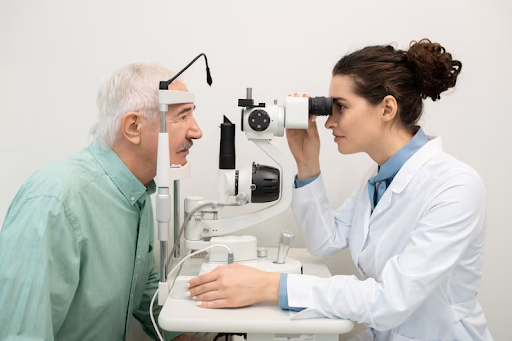
Optical Rwanda: The Growing Landscape of Professional Eye Care in the Country

Rwanda’s health sector has undergone remarkable transformation over the past two decades. From dramatic reductions in infant mortality to the expansion of community health insurance coverage, the country’s commitment to accessible, quality healthcare is widely recognized. Within this broader story of health development, the optical care sector has grown meaningfully — bringing professional vision care within reach of more Rwandans than ever before. This article explores the state of optical Rwanda services today, why demand is rising, and what patients should expect from modern optical care in the country.
Why Eye Care Matters More Than Ever in Rwanda
Several converging trends are driving growing demand for optical services in Rwanda:
Urbanization and screen time: As more Rwandans move to cities and enter professional environments involving computers, tablets, and smartphones, the incidence of digital eye strain, myopia, and related conditions is increasing. Urban dwellers in Kigali increasingly report headaches, eye fatigue, and blurred vision consistent with uncorrected refractive errors exacerbated by prolonged screen exposure.
An aging population: As Rwanda’s population grows and life expectancy improves, age-related eye conditions — cataracts, presbyopia, glaucoma, and macular degeneration — are becoming more prevalent. These conditions require regular monitoring and timely intervention to preserve vision.
Growing middle class: As purchasing power increases, more Rwandans are seeking quality eyewear and professional optical consultations rather than over-the-counter readers or unverified vendors.
Educational attainment: Undetected vision problems significantly affect academic performance in children. As Rwanda’s education system expands access and raises expectations, identifying and correcting vision problems in school-age children has become a public health priority.
What Modern Optical Services Look Like in Rwanda
The optical care landscape in Rwanda has evolved from limited, often informal providers to a growing number of professional clinics staffed by qualified optometrists using modern equipment. Quality optical practices in Rwanda today offer:
Comprehensive eye examinations: Not just quick visual acuity screenings, but full assessments including refraction, intraocular pressure measurement, and examination of internal and external eye structures.
A broad range of corrective lenses: Single vision, bifocal, and progressive options with coatings for UV protection, anti-reflection, scratch resistance, and blue light filtering.
Frame selections from international brands: The availability of globally recognized eyewear brands in Rwanda has increased significantly, alongside quality locally accessible options at accessible price points.
Pediatric eye care: Children’s eye examinations require specific skills and patience. Qualified providers are increasingly equipped to offer thorough pediatric assessments.
Sunglasses with genuine UV protection: Rwanda’s equatorial position means UV exposure is consistently high. Quality optical providers ensure their sunglasses range meets UV400 standards rather than offering purely decorative lenses.
The Importance of Seeing a Registered Optometrist
Access to an optical shop doesn’t necessarily mean access to qualified care. In Rwanda, as in many developing health markets, the distinction between a trained optometrist and an unqualified vendor matters enormously.
A registered optometrist has completed a recognized academic program in optometry, passed licensing examinations, and is accountable to professional and regulatory bodies. They can:
- Diagnose refractive errors and prescribe corrective lenses
- Detect early-stage eye diseases before they cause permanent damage
- Identify systemic conditions (diabetes, hypertension) through retinal examination
- Refer patients appropriately when surgical or specialist medical intervention is needed
An optical shop without a qualified optometrist on staff can fit glasses and sell sunglasses, but cannot perform a meaningful clinical examination or diagnose conditions. For anyone with a medical risk factor, a family history of eye disease, or symptoms of concern, only a qualified practitioner provides safe, reliable care.
Expanding Access: Optica’s Role in Rwanda
Among the providers contributing to the growth of professional optical rwanda services, Optica has established a presence that reflects the demands of Kigali’s growing urban population. With qualified optometrists, modern equipment, and a comprehensive product range, Optica serves both expatriate and local communities in Kigali — bringing a standard of care consistent with the best optical practices in East Africa.
The presence of international-standard optical providers in Rwanda’s capital also creates a reference point for the sector more broadly — demonstrating what professional eye care looks like and raising patient expectations across the market.
Making the Most of Your Optical Visit in Rwanda
Regardless of which provider you choose, a few habits ensure you get the most from your optical appointment:
- Bring your current glasses: Your optometrist will want to assess your existing prescription
- Note your symptoms: Even mild or intermittent vision changes are worth mentioning
- Share your medical history: Diabetes and hypertension significantly affect eye health
- Ask questions: A good optometrist welcomes questions — about your diagnosis, your prescription, and your lens options
- Follow up as recommended: A prescription issued two or three years ago may no longer be accurate
Conclusion
The story of optical care in Rwanda is one of meaningful, ongoing progress. More qualified professionals, better-equipped clinics, and growing public awareness of the importance of routine eye care are all moving in the right direction. For Rwandans and expatriates alike, accessing professional eye care in Kigali has never been more practical. Treat your vision as the essential sense it is — schedule a comprehensive exam and make regular optical care a consistent part of your health routine.
For More Info Visit:- theviralthoughts.com