
How Teeth Cleaning Supports Healthy Smiles During Braces Treatment

Keeping teeth clean becomes especially important during orthodontic treatment. Brackets, wires, and other components can create small spaces where food particles and plaque collect more easily. A consistent oral hygiene routine helps protect teeth and gums while treatment gradually improves alignment.
Regular teeth cleaning Singapore appointments can complement daily brushing and interdental care by helping remove buildup that may be difficult to reach around orthodontic hardware. Alongside professional care, simple daily habits such as brushing carefully, cleaning between teeth, and limiting sugary foods can support a healthier smile throughout the treatment journey.
Why Oral Hygiene Matters During Orthodontic Treatment
Braces create additional surfaces around the teeth, making ordinary cleaning more challenging. Plaque can gather around brackets and along the gumline, while trapped food may contribute to unpleasant breath and irritation. If buildup remains for too long, acids produced by bacteria can contribute to tooth decay and enamel damage.
Maintaining good hygiene therefore supports more than appearance. Healthy gums provide a better foundation during orthodontic movement, while clean tooth surfaces can help reduce the risk of problems that may interrupt treatment. Daily care is especially important because orthodontic treatment can continue for many months.
Brushing Around Brackets and Wires
Brushing needs a little more attention when braces are fitted. A soft-bristled toothbrush can be positioned above, around, and below each bracket so the tooth surface is cleaned from different angles. Gentle movements are preferable to aggressive scrubbing, which can irritate gums.
Fluoride toothpaste can help strengthen enamel and protect against decay. Patients should also follow their orthodontist’s recommendations about brushing frequency and technique. Spending enough time on each area is useful because quickly brushing only the front surfaces may leave plaque around brackets and near the gumline.
Cleaning Between Teeth
A toothbrush cannot always reach every space between teeth, particularly when wires and brackets are present. Interdental brushes, floss threaders, orthodontic floss, or other recommended cleaning aids can help reach these areas.
Cleaning between teeth removes food debris and plaque from places that are easy to overlook. It can also help keep the gums healthier during treatment. If flossing feels difficult because of orthodontic appliances, an orthodontic professional can demonstrate a practical technique or recommend an appropriate tool.
The Role of Professional Cleaning
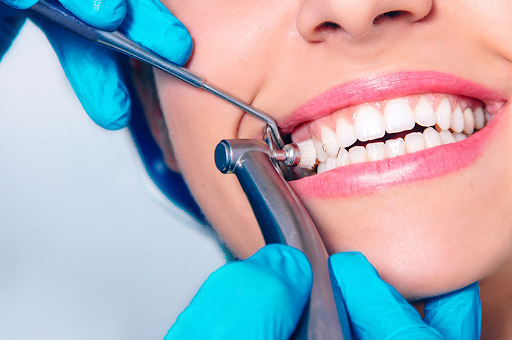
Even with careful home care, some deposits can remain in difficult-to-reach areas. Professional cleaning can help remove plaque and hardened deposits while giving the dental team an opportunity to assess the condition of the teeth and gums.
Cleaning appointments should complement, not replace, daily oral hygiene. Patients wearing orthodontic appliances may benefit from discussing an appropriate cleaning schedule with their dental or orthodontic professional. If gums bleed frequently, feel swollen, or remain tender, professional advice is particularly important.
Protecting the Gumline
Healthy gums are an important part of a healthy orthodontic journey. Plaque accumulating around the gumline can trigger inflammation, leading to redness, swelling, tenderness, or bleeding. These signs should not simply be ignored.
Gentle brushing along the gumline and careful cleaning around orthodontic components can help control plaque. A balanced diet and regular water intake can also support oral health. Limiting frequent sugary snacks and drinks is useful because repeated sugar exposure can increase the risk of decay, particularly when food becomes trapped around braces.
Simple Habits for Better Daily Care
After meals, checking the teeth in a mirror can help identify trapped food around brackets. Drinking water can support a cleaner mouth, while replacing worn toothbrushes or interdental brushes helps maintain effective cleaning. Consistency matters more than complicated routines.
Recognizing Problems Early
During treatment, patients should pay attention to changes in their mouth. Persistent gum swelling, bleeding, unusual sensitivity, tooth pain, bad breath, or visible white spots on enamel may indicate that additional care is needed. A loose bracket or damaged wire should also be reported promptly.
Regular orthodontic follow-ups allow treatment progress to be monitored and appliances to be adjusted when necessary. The clinic describes follow-ups every four to six weeks, supporting steady treatment progress. Early communication can help prevent minor concerns from becoming bigger problems.
How Cleaning Supports the Treatment Journey
Good oral hygiene does not replace orthodontic treatment, but it supports the environment in which tooth movement takes place. Clean teeth and healthy gums can make everyday treatment more comfortable and help patients maintain a healthier smile throughout the process.
The goal is not simply to finish treatment with straighter teeth. Maintaining good oral health during treatment can help protect the investment of time and effort made toward achieving a confident smile. Patients should follow personalized instructions from their orthodontic team because cleaning needs can differ according to appliances, dental health, and treatment complexity.
Braces for teeth work best alongside consistent oral hygiene. Cleaning around brackets and wires helps patients stay focused on their treatment goals while protecting their natural teeth.
Building a Long-Term Smile Care Routine
The habits developed during orthodontic treatment can remain useful after braces are removed. Continued brushing, interdental cleaning, professional dental care, and sensible food choices can help preserve oral health. Once active treatment ends, wearing retainers as instructed is also important for maintaining alignment.
A healthy smile depends on both alignment and hygiene. By treating cleaning as an essential part of orthodontic care rather than an occasional task, patients can build habits that support their teeth and gums before, during, and after treatment.
Conclusion
Regular cleaning plays a valuable role in protecting teeth and gums while orthodontic appliances guide teeth toward improved alignment. Daily brushing, between-teeth cleaning, sensible food choices, professional cleaning, and timely orthodontic check-ups can work together to support oral health throughout treatment. Consistent teeth cleaning Singapore can help patients maintain healthier teeth and gums while working toward a cleaner, more confident smile.
For personalized orthodontic guidance across Singapore, BRACESAURUS provides specialist orthodontic care, focusing on braces and alignment solutions. Its services include conventional metal and ceramic braces, self-ligating braces, aesthetic braces, advanced orthodontic aligners, clear aligners, and personalized treatment for students and adults, supported by specialist-led consultations, treatment planning, regular follow-ups, and retainers. The clinic also prioritizes safety, transparent guidance, comfort, value, and long-term smile care.