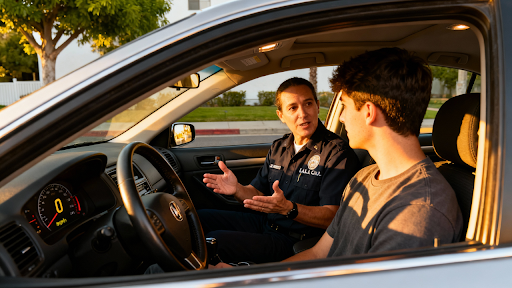

Preparing for Your Driving Test in Brisbane: A Complete Strategy Guide

The decision to pursue your driver’s license is a significant commitment that requires systematic preparation and focused practice. Brisbane’s diverse traffic environments, from suburban streets to urban thoroughfares, create unique challenges for learner drivers preparing for formal assessment.
Success depends not merely on mechanical driving ability but on demonstrating consistent judgment, hazard awareness, and defensive driving principles. When preparing for your driving test in Brisbane, understanding the assessment framework and developing targeted preparation strategies significantly improves your chances of passing on your first attempt.
Understanding Brisbane’s Driving Test Format
The Queensland Department of Transport and Main Roads administers standardized driving tests throughout Brisbane. The practical test evaluates your ability to operate a vehicle safely while responding appropriately to traffic situations. Examiners assess vehicle control, hazard recognition, traffic law compliance, and decision-making throughout the 20-40 minute assessment. Understanding exactly what examiners evaluate helps you direct preparation efforts effectively toward demonstrable competencies.
The Assessment Components Explained
- Vehicle Operation and Control
Examiners evaluate smooth, confident vehicle operation throughout testing. This includes starting procedures, smooth acceleration and deceleration, proper gear usage, and precise steering control. Your ability to operate the vehicle smoothly without jerky movements or hesitation demonstrates competence. Consistent smooth operation builds examiner confidence in your overall capability.
- Hazard Recognition and Response
Identifying potential hazards before they develop into emergencies represents critical defensive driving. Examiners observe whether you notice pedestrians, cyclists, parked vehicles, and changing traffic patterns. Your anticipatory driving—adjusting speed and position in anticipation of developing situations rather than reacting to emergencies—demonstrates advanced safety awareness. Hazard recognition often proves more important than raw driving technique.
- Traffic Law Compliance
Demonstrating a thorough understanding of Australian traffic laws proves essential. Proper signalling, maintaining legal speed limits, observing traffic lights, and respecting pedestrian crossing rights all contribute to examination success. Minor infractions during testing often result in test failure despite otherwise competent driving. Absolute compliance with traffic rules becomes non-negotiable during formal assessment.
Effective Preparation Strategies
Professional Driving Lessons
Structured professional instruction through driving test lessons provides systematic skill development. Professional instructors focus instruction on examination requirements while identifying individual skill gaps. They understand which techniques examiners expect and which common mistakes result in test failure. Multiple lessons with experienced professionals significantly improve examination pass rates compared to informal learning.
Targeted Practice Approach
Beyond general driving practice, systematic preparation focuses specifically on examination requirements. Practice emergency stops, proper lane changes, parking procedures, and hazard response in controlled environments before attempting them during testing. Building automaticity through repetition allows you to respond correctly without conscious deliberation during high-stress testing situations.
Mental Preparation and Confidence Building
Examination anxiety compromises driving ability and judgment. Mental preparation through visualization, understanding examination procedures, and confidence-building practice reduces stress during actual testing. Experiencing diverse traffic situations before examination exposes you to scenarios you’ll encounter during testing, reducing surprises and anxiety on assessment day.
Brisbane-Specific Driving Considerations
- Local Traffic Patterns
Brisbane’s traffic flows reflect specific patterns and complexities. Morning and afternoon peak hours create congestion requiring patience and careful navigation. Navigating the Brisbane River crossings, busy arterial roads, and suburban intersections during actual traffic conditions prepares you for real-world complexity. Practicing during busy periods builds confidence handling congested conditions.
- Road Infrastructure Familiarity
Becoming familiar with Brisbane’s road infrastructure—including roundabouts, traffic light timing, and intersection layouts—reduces confusion during testing. Test routes often include common examination areas that you can pre-drive to understand layouts and anticipate traffic flow. Familiarity reduces cognitive load during examination, allowing focus on driving technique rather than navigation.
- Weather and Condition Variability
Brisbane’s weather patterns occasionally create challenging driving conditions. Rain, sun glare, and occasional flooding situations require adapted driving techniques. Practising in diverse weather conditions prepares you for whatever conditions exist on your test date. Demonstrating safe adaptation to challenging conditions impresses examiners.
Common Mistakes to Avoid
- Insufficient Mirror Checking
Failure to demonstrate adequate mirror checking is frequently associated with test failures. Examiners expect to observe regular mirror checks before changing lanes or turning. Make mirror-checking a visible, conscious habit—exaggerating the action ensures examiners notice it and demonstrates awareness of surrounding traffic. Invisible or insufficient mirror checking suggests dangerous inattention to surroundings.
- Improper Lane Positioning
Maintaining an improper lane position or failing to indicate intention before a lane change creates safety concerns. Proper positioning in your lane and clear communication through signalling demonstrate competence. Practice maintaining a consistent lane position and always signalling well in advance of intended movements.
- Hesitation and Indecisiveness
Uncertain, hesitant driving raises the examiner’s concerns about your judgment and confidence. While caution proves valuable, excessive hesitation suggests uncertainty about safe procedures. Balance confidence with appropriate caution—proceed decisively when traffic conditions permit while maintaining heightened awareness and readiness to respond to emerging hazards.
- Post-Test Strategy
Should you not pass initially, analyse specific feedback provided by examiners. Rather than viewing failure negatively, treat it as diagnostic information that identifies specific areas for improvement. Additional focused practice addressing identified deficiencies significantly improves subsequent attempt success rates. Many successful drivers require multiple attempts; persistence with systematic improvement proves ultimately successful.
Conclusion
Preparing effectively for your driving lessons brisbane focused driving test requires understanding examination requirements, systematic skill development through professional instruction, and targeted practice addressing identified gaps. Mental preparation, Brisbane-specific knowledge, and consistent application of proper driving technique combine to maximize your examination success likelihood. Viewing preparation as systematic skill development rather than mere test cramming builds genuine driving competence benefiting your safety throughout your driving career.