
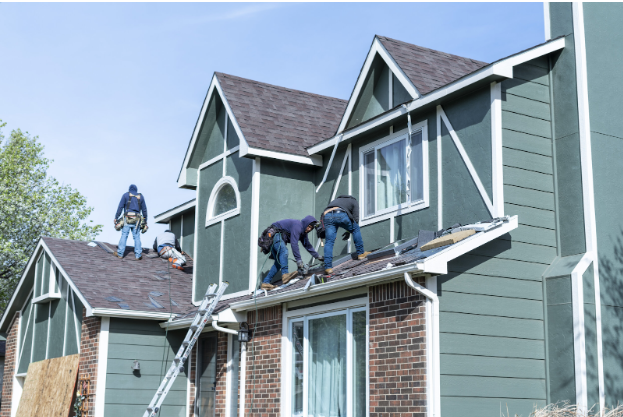
Emergency Residential Roof Repair: What to Do Right After a Storm

When a severe storm hits, your home’s first line of defence—your roof—often takes the brunt of the impact. Missing shingles, leaks, fallen debris, or punctures can compromise the integrity of your roof, putting your home and family at risk. Residential roof repair becomes an urgent priority in these situations. But knowing exactly what to do in the immediate aftermath of a storm can make all the difference in preventing further damage, saving money, and ensuring your safety.
In this blog, we’ll walk you through a strategic, step-by-step guide on how to handle emergency residential roof repair after a storm, what to look for, and how to protect your investment.
Step 1: Ensure Safety First
Before you think about climbing on the roof or assessing damage up close, prioritize safety. Stay indoors until you’re sure that the storm has completely passed. If there are downed power lines, fallen trees, or structural hazards around your home, contact emergency services immediately.
Avoid walking on the roof yourself. Wet or damaged roofs can be extremely dangerous, and one wrong step could lead to serious injury. Leave the on-roof inspections to professionals.
Step 2: Conduct a Visual Inspection from the Ground
Once it’s safe, do a visual inspection from the ground using binoculars if necessary. Look for signs of visible damage such as:
- Missing or curled shingles
- Exposed underlayment or roof decking
- Broken gutters or flashing
- Fallen tree limbs
- Pooling water or sagging areas
Photograph any visible damage. These photos will be helpful for both insurance claims and when seeking professional residential roofing services in Houston or your local area.
Step 3: Minimize Interior Damage
If the roof is leaking, your first action should be to prevent interior water damage. Place buckets or containers under leaks and move furniture, electronics, and other valuables away from the affected area.
If you notice bubbling paint, water stains, or sagging ceilings, this is a sign of water infiltration. In these cases, contact a roofing professional right away for a temporary tarp or patch solution to prevent the damage from worsening.
Step 4: Contact Your Insurance Provider
File a claim with your homeowner’s insurance as soon as possible. Provide them with the following:
- Photos of the damage
- Notes on what occurred
- Any temporary repairs you’ve made
- Estimates from roofers, if available
Your insurance adjuster may want to send someone out to inspect the damage. Be sure to ask about what your policy covers and what your deductible is.
Step 5: Hire a Trusted Roofing Contractor
When selecting a contractor, make sure they are:
- Licensed and insured
- Experienced in residential roof repair
- Familiar with local building codes and storm damage
- Able to provide emergency services if needed
Beware of “storm chasers” — fly-by-night companies that arrive after storms and may offer low prices but perform poor-quality work or disappear after taking payment. Always check online reviews and ask for references.
Step 6: Get a Temporary Fix If Needed
If the roofing contractor can’t start work immediately, they should be able to provide a temporary tarp or emergency seal to prevent additional water from entering your home. This is especially critical in areas like Houston, where frequent storms can prolong exposure and lead to mold or structural issues.
Step 7: Schedule a Full Roof Inspection
Once emergency repairs are handled, it’s wise to schedule a comprehensive roof inspection. This is where the importance of regular roof inspections and maintenance becomes clear. Regular evaluations can detect early signs of wear and prevent storm damage from escalating.
Homeowners often overlook small issues like cracked flashing or worn seals—problems that can quickly become serious when combined with heavy wind and rain.
Conclusion
Storms are unpredictable, but your response doesn’t have to be. Knowing how to react after a storm can protect your home, reduce repair costs, and give you peace of mind. By staying safe, documenting damage, working with professionals, and prioritizing routine maintenance, you can ensure that your roof continues to protect what matters most.