
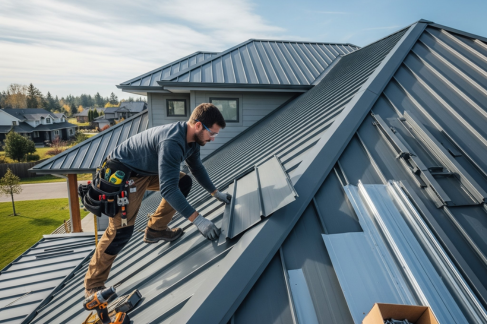
Common Mistakes to Avoid During Metal Roof Installation

Metal roofing has become increasingly popular among homeowners and contractors due to its durability, energy efficiency, and long-term value. When installed correctly, a metal roof can last several decades with minimal maintenance. However, even small errors during installation can impact performance, reduce lifespan, and lead to costly repairs later.
Many people look for tutorials on how to install sheet metal roofing, but understanding the most common mistakes is equally important. Avoiding these pitfalls ensures your roof performs as intended, providing maximum protection and longevity.
Below are the key mistakes to avoid during metal roofing installation, along with insights to help ensure a smooth and successful project.
Failing to Prepare the Roof Deck Properly
One of the biggest errors occurs before the first metal panel is even installed. A poorly prepared roof deck compromises the entire system.
If the deck is uneven, damaged, or rotting, the metal panels will not sit correctly, causing gaps, looseness, and long-term structural issues. Moisture trapped under the panels may also lead to mold or wood deterioration. Before installation begins, the decking should be thoroughly inspected, repaired if necessary, and cleared of debris, old nails, or leftover roofing material.
Skipping this step may save time initially, but it often results in expensive corrections later on.
Incorrect Underlayment Selection or Installation
Metal roofs require the right underlayment to prevent moisture infiltration and ensure proper insulation. Choosing the wrong type—or installing it incorrectly—is a common mistake.
Some homeowners assume that any underlayment will work, but metal roofing performs best with high-quality synthetic or specialized materials that can withstand temperature fluctuations. If the underlayment wrinkles, tears, or overlaps improperly, it can cause leaks or premature wear.
Proper underlayment installation creates an essential moisture barrier that enhances roof performance and boosts overall energy efficiency.
Misalignment of Metal Panels
Precision is critical when installing metal panels. Even slight misalignments can result in visible gaps, uneven seams, and reduced weather resistance.
Panels must be placed in straight, perfectly aligned rows, ensuring they lock or overlap correctly. Incorrect measurements, rushing the layout, or failing to use alignment tools often cause mistakes that are difficult to fix later. Misalignment also affects roof aesthetics, making the surface appear uneven or poorly coordinated.
Taking extra time during the layout stage improves both appearance and functionality.
Using the Wrong Fasteners or Installing Them Incorrectly
Fasteners play a crucial role in securing metal roofing panels, especially during windstorms or heavy rainfall. Using the wrong type—such as fasteners not designed for metal roofs—can lead to rusting, loosening, or water penetration.
Even when correct fasteners are used, improper installation can cause damage. Common mistakes include:
- Over-tightening, which deforms the panels
- Under-tightening, which leaves gaps
- Incorrect placement, leading to leaks or reduced stability
Fasteners must be installed uniformly and checked throughout the process to ensure a secure and watertight fit.
Overlooking Flashing and Sealant Application
Flashing protects areas where the roof meets walls, chimneys, skylights, or valleys. If flashing is installed incorrectly—or skipped entirely—water can seep into these vulnerable points.
Improper sealant application is another frequent issue. Sealants must be applied in the right locations and in the correct amount. Too little sealant leaves weak spots, while too much can create messy build-up that cracks or peels over time.
Proper flashing and sealant work are essential for preventing leaks and ensuring long-term durability.
Not Allowing for Metal Expansion and Contraction
Unlike traditional roofing materials, metal expands and contracts with temperature changes. Failing to account for this natural movement is one of the most serious metal roof installation mistakes.
If panels are installed too tightly or without adequate spacing, they may warp, buckle, or create stress points. Over time, this can lead to cracks, noise issues, and premature roof failure.
Using the right clips, fasteners, and installation techniques ensures the roof accommodates temperature-related movement without damage.
Skipping Edge and Trim Components
Edges, ridge caps, and trim components are not just decorative—they are essential for weatherproofing the roof. Skipping or improperly installing these parts exposes the structure to wind uplift, moisture intrusion, and heat loss.
Trim pieces help seal the edges, provide structural stability, and enhance the roof’s appearance. Neglecting these elements compromises both function and curb appeal.
Ignoring Manufacturer Guidelines
Every metal roofing system comes with its own set of manufacturer instructions. Ignoring or guessing these guidelines often leads to installation problems.
Manufacturers specify:
- Panel placement
- Fastening patterns
- Required spacing
- Recommended tools and materials
Following these guidelines ensures the roof performs as designed and helps maintain warranty protection.
Attempting DIY Installation Without Proper Experience
Metal roofing installation requires skill, precision, and knowledge. While DIY projects can save money, metal roofing is not always suitable for beginners.
Lack of experience often leads to:
- Safety risks
- Improper panel handling
- Incorrect installation techniques
- Voided warranties
Hiring a qualified installer ensures the roof is placed correctly and safely, preventing costly errors down the line.
Not Performing a Final Inspection After Installation
Many homeowners overlook the importance of a thorough post-installation inspection. Even professional installers can make mistakes if not checked.
A final inspection should verify:
- Panel alignment
- Tightness of fasteners
- Flashing placement
- Sealant coverage
- Proper installation of vents and edges
Catching small issues early prevents bigger problems from developing over time.
The Bottom Line
Avoiding common installation mistakes is the key to ensuring the longevity, efficiency, and structural integrity of your metal roof. Proper planning, attention to detail, and professional expertise help deliver a strong and durable roofing system that performs well for decades.