
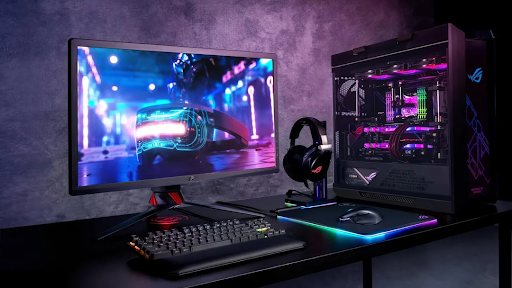
Bulk Gaming Desktops: Assessing Condition, Specs, and Market Value

Buying or selling gaming desktops in large quantities requires more than comparing model names or advertised specifications. Businesses need to understand the condition, performance, configuration, and potential resale value of each system before making a decision. This is where gaming desktop deals in bulk can become valuable when equipment is evaluated systematically rather than treated as identical units.
Bulk gaming desktops may include systems with different processors, graphics cards, memory capacities, storage configurations, and usage histories. A structured assessment helps separate high-value machines from systems requiring upgrades, refurbishment, or component recovery. It also gives businesses a clearer picture of what they actually own and what those assets may be worth.
Understanding Bulk Gaming Desktop Assets
Bulk gaming desktops are groups of gaming-oriented computer systems managed together for purchasing, resale, refurbishment, or asset recovery. They may come from gaming centers, businesses, distributors, educational facilities, or organizations replacing older hardware.
The purpose of evaluating these systems is to establish their practical value rather than relying only on their original purchase price. A desktop with an older processor but a capable graphics card may still have strong secondary-market potential, while a visually newer system with limited specifications may offer less value.
Understanding the overall inventory is therefore the first step. Businesses can create categories based on manufacturer, model, specifications, physical condition, and functional status. This makes later testing, valuation, and resale decisions more organized.
Evaluating Core Hardware Specifications
Specifications provide the technical foundation for determining the usefulness and market position of a gaming desktop. Different components influence performance, upgradeability, energy requirements, and buyer interest.
-
Processor Configuration
The processor affects general computing performance and gaming capability. Its generation, core count, clock speed, and compatibility with other components can help determine whether a system remains suitable for demanding applications.
-
Graphics Card
The graphics processing unit is particularly important for gaming desktops because it directly influences visual performance. Dedicated graphics cards with stronger capabilities generally attract greater interest in secondary markets.
-
Memory Capacity
RAM affects multitasking and application performance. Systems with higher memory capacities may be more appealing because they can handle modern games and demanding workloads more effectively.
-
Storage Configuration
Storage type and capacity also influence desktop value. Systems equipped with SSDs generally offer faster loading and responsiveness, while additional storage can increase practicality for users managing large games or media libraries.
-
Power Supply and Cooling
A suitable power supply and effective cooling system are important for maintaining stable performance. Consider these components alongside the processor and graphics card when evaluating the overall configuration.
Checking Physical and Functional Condition
Technical specifications alone do not determine a gaming desktop’s actual value. Two systems with identical configurations can have different market values because of their physical condition, usage history, or operational performance.
Businesses should therefore assess exterior condition, ports, displays where applicable, internal cleanliness, and signs of damage. Functional testing can help identify systems that operate normally and those requiring repairs or component replacement.
When organizations work with a bulk gaming desktops buyer in Abu Dhabi, systematic evaluation can help classify equipment according to its actual condition. This makes it easier to distinguish ready-for-resale systems from units requiring refurbishment or further processing.
Determining Market Value
Market value depends on a combination of specifications, condition, age, demand, and configuration. Original purchase price alone is not a reliable indicator because technology depreciates as newer generations enter the market.
For example, a desktop with a sought-after graphics card may retain considerable value even if other components are older. Similarly, systems with upgrade potential can attract buyers looking for affordable performance.
Businesses considering gaming desktop deals in bulk should compare equipment based on individual specifications rather than assuming every unit has the same value. Grouping similar systems can simplify valuation while still allowing significant differences in condition and configuration to be recognized.
Factors That Influence Final Value
Several practical factors should be considered before assigning a value to bulk gaming desktops. A detailed review helps businesses avoid unrealistic expectations and supports more accurate asset decisions.
- Processor generation and performance capability
- Graphics card model and operating condition
- RAM capacity and upgrade potential
- SSD or hard-drive type and storage capacity
- Physical condition and visible signs of wear
These factors provide a useful foundation for comparing systems within a larger inventory. They also help identify which desktops have stronger resale potential and which may be better suited for refurbishment or component recovery.
Preparing Desktops for Resale or Recovery
After assessment and valuation, gaming desktops can be placed into appropriate categories. Functional systems may be prepared for resale, while units requiring minor work can move toward refurbishment. Equipment that has limited operational value may instead be directed toward component recovery or responsible recycling.
Preparation can include secure removal of business data, cleaning, hardware verification, and documentation of specifications. Accurate records make it easier for businesses to track their equipment and communicate its condition to prospective buyers.
A clear classification system also reduces confusion when managing large inventories. Instead of treating every desktop as identical, businesses can create groups according to specifications, condition, and expected recovery value.
Making Informed Bulk Decisions
Selecting the right approach requires balancing technical performance, physical condition, market demand, and expected returns. Businesses should review their objectives before deciding whether equipment should be sold, refurbished, reused, or recycled.
A structured evaluation process helps prevent valuable gaming systems from being undervalued and ensures equipment with limited potential is handled appropriately. It also creates a clearer connection between technical assessment and financial recovery.
Conclusion
Bulk gaming desktops can retain meaningful value when you carefully assess their specifications, condition, functionality, and market demand. A step-by-step evaluation helps businesses identify strong resale opportunities, separate equipment requiring refurbishment, and direct unsuitable systems toward responsible recovery.
For those seeking professional help with large quantities of gaming and IT equipment, E-Waste IT Recycling provides structured solutions for collection, assessment, value recovery, and responsible processing. Businesses considering a bulk gaming desktops buyer in Abu Dhabi can benefit from an organized approach that helps simplify asset management while making informed decisions about the future of their gaming desktop inventory.