
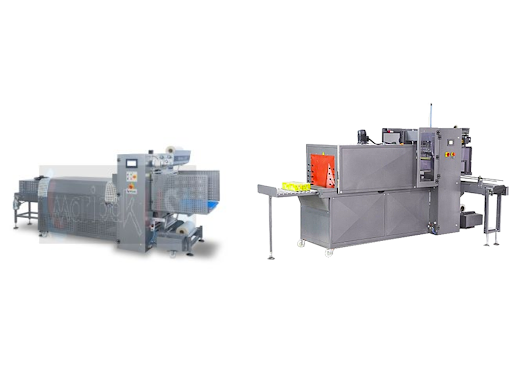
Sustainable Innovations in Shrink Wrap Machines for 2025

As industries worldwide prioritize environmental responsibility, packaging technologies—long notorious for plastic waste—are undergoing a green transformation. In 2025, shrink wrap machines are at the cutting edge of this shift. Manufacturers are integrating energy-efficient systems, smarter automation, and eco-conscious materials to deliver both performance and sustainability. This blog explores how innovations are reshaping shrink wrapping, with emphasis on eco-friendly films like polyolefin and new design efficiencies.
The Sustainability Imperative in Shrink Wrap Technology
The global shrink wrap equipment market is experiencing significant growth, driven by demand in sectors like food, pharmaceuticals, and e-commerce. Significantly, a large proportion of businesses plan to switch to sustainable packaging methods by 2025 as part of the circular economy movement. In parallel, the wrapping machine market is forecasted to grow steadily over the next decade, with shrink machines leading growth within the segment. These statistics underscore the mounting commercial and ethical incentives to innovate.
Energy-Efficient Automation and AI Integration
Modern shrink wrap systems are integrating automation and AI to enhance energy efficiency and waste reduction. Smart sensors and IoT systems enable real-time adjustments and predictive maintenance, minimizing energy use and prolonging machine life. Packaging lines endowed with AI determine precise film application, reducing excessive overwrap and thereby cutting material use and carbon footprint. Furthermore, advanced control systems optimize operational reliability and minimize downtime, indirectly contributing to sustainability.
Eco-Friendly Film Innovations: Polyolefin and Beyond
A key driver of greener shrink wrapping is the shift to polyolefin-based films, recognized for clarity, strength, and recyclability. Unlike PVC, polyolefin films are chlorine-free and much less polluting, making them a preferred choice in eco-conscious packaging. These films offer excellent optical clarity, puncture resistance, and heat-shrink properties, and integrate seamlessly in automated lines—ideal for a polyolefin shrink machine setup.
Some manufacturers now offer polyolefin shrink wrap film with recycled content, combining performance with circular economy principles. Other innovative films, such as those derived from sugarcane ethanol, capture carbon during their production and reduce reliance on fossil fuel-based plastics. Importantly, these sustainable materials perform reliably in both manual systems and high-speed automated machines.
Flexible Packaging and Multi-Material Systems
One of the most exciting innovations in 2025 is the emergence of packaging systems designed for flexible sustainability. New lines of machinery can operate with both recyclable paper and recycled-content plastics, offering an adaptable and future-proof solution. This versatility allows businesses to pivot between sustainable substrates, helping them meet evolving environmental regulations and consumer preferences without major equipment overhauls.
Enhanced Machine Designs for Resource Efficiency
Manufacturers are designing shrink wrap machines with sustainability in mind. New systems feature better insulation, precision heat zone control, and compatibility with thinner, recyclable films. These design enhancements reduce waste and power consumption while maintaining consistent wrapping quality. Automated systems also minimize the need for manual handling, cutting down on labor requirements and film usage. This dual efficiency—economic and environmental—makes them particularly attractive for businesses looking to balance profitability with responsibility.
Market Outlook and Drivers of Innovation
Beyond regulatory pressure, surging e-commerce demand and global industrialization are fueling shrink wrap innovation. The shrink wrapper market is projected to expand steadily in the next decade. Sustainability stands out as a decisive factor; not only are materials transforming, but machine manufacturers are responding with greener designs. Emerging regional markets, especially in Asia-Pacific, are leading advancements in automation and sustainable film integration, indicating that environmentally friendly packaging is becoming a global priority.
Conclusion
In 2025, shrink wrap machines are evolving into smarter, greener tools that align economic performance with environmental responsibility. Innovations span AI-driven efficiency, film improvements—especially polyolefin options and sugarcane-derived substitutes—and flexible, multi-material machine architectures. As packaging continues to adapt, investing in shrink film bundling equipment ensures a sustainable, cost-effective future. By adopting these technologies, manufacturers can reduce waste, energy use, and emissions, all while meeting rising consumer and regulatory expectations.

