
Why Using Sustainability Reporting Software in Malaysia Boosts Accuracy

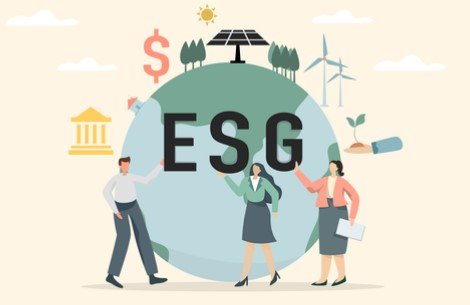
In today’s rapidly evolving business environment, transparency is no longer a choice—it’s an expectation. Companies are under increasing pressure from regulators, investors, and customers to prove their commitment to environmental, social, and governance (ESG) standards. In the middle of this shift, Malaysia sustainability reporting software has emerged as a vital tool for delivering precise, reliable, and timely data. By automating data collection, integrating multiple departments, and ensuring compliance with evolving regulations, these solutions are helping Malaysian businesses avoid costly errors and build lasting stakeholder trust.
The Growing Demand for Accurate Sustainability Reporting
Malaysia has made significant strides in formalising sustainability reporting, with frameworks such as the National Sustainable Reporting Framework (NSRF) and Bursa Malaysia’s requirements pushing companies to elevate their ESG disclosures. Large corporations and SMEs alike are finding that traditional, manual reporting methods are too slow and prone to human error. To address these challenges, many organisations are investing in advanced reporting tools that can streamline processes while meeting both local and global compliance standards.
How Software Enhances ESG Data Accuracy
One of the primary benefits of sustainability reporting software is its ability to unify scattered ESG data from multiple departments into a single, centralised platform. This integration allows for:
- Consistent Metrics: Ensuring all reports are based on the same definitions, measurements, and timeframes.
- Error Reduction: Automated data checks catch inconsistencies before they reach the final report.
- Real-Time Tracking: Businesses can monitor ESG performance throughout the year instead of rushing at year-end.
This level of accuracy is critical, particularly for companies seeking international recognition through frameworks like the Global Reporting Initiative (GRI) or the International Sustainability Standards Board (ISSB).
Deployment Options in the Malaysian Market
When choosing sustainability reporting software, Malaysian companies generally select between on-premises and cloud-based solutions.
- On-Premises: Popular with large enterprises handling sensitive ESG data. Offers high security and full control over infrastructure.
- Cloud-Based: Ideal for SMEs due to lower upfront costs, flexibility, and scalability. Cloud options also enable remote access for distributed teams, a growing need in today’s hybrid work environment.
The choice often depends on industry requirements, budget constraints, and internal data governance policies.
Supporting Compliance with Local and Global Standards
With sustainability disclosure rules becoming more rigorous, particularly for greenhouse gas emissions and supply chain transparency, businesses must ensure their data is not only accurate but also verifiable. Reporting software helps by:
- Aligning data collection with local standards like NSRF and Bursa Malaysia ESG guidelines.
- Providing audit trails to support third-party verification.
This alignment allows Malaysian businesses to confidently meet compliance obligations while enhancing their reputation in both domestic and international markets.
Building Stakeholder Confidence Through Technology
Stakeholder trust is directly linked to the quality of reported data. Investors, regulators, and customers are far more likely to engage with businesses that demonstrate transparency backed by verifiable numbers. By leveraging advanced sustainability reporting software, Malaysian companies can:
- Strengthen investor relations.
- Improve brand credibility in a sustainability-conscious market.
- Proactively address potential compliance issues before they escalate.
Maximising the Benefits Before the Conclusion
To fully maximise the benefits, organisations should ensure that staff are adequately trained on the software and that ESG reporting is integrated into the overall corporate strategy. This means setting clear KPIs, conducting regular data quality reviews, and updating systems in line with evolving regulations. Collaborating with local experts who understand Malaysia’s sustainability landscape can further enhance accuracy and compliance. Businesses that embrace this proactive approach not only meet regulatory requirements but also strengthen their position as leaders in responsible corporate governance.
Conclusion
The adoption of sustainability reporting software in Malaysia marks a significant step toward improving corporate transparency and accountability. By centralizing ESG data, ensuring consistency, and aligning with both local and global standards, these tools eliminate the inefficiencies of manual reporting. The result is higher data accuracy, faster compliance, and stronger stakeholder trust. As regulations continue to evolve, companies that embrace advanced reporting solutions will be better equipped to adapt, compete, and lead in a sustainability-driven economy—positioning themselves as credible, future-ready organizations committed to lasting positive impact.