Professional Paint Protection Film Installation Followed by 9H Ceramic Coating

A new car usually looks its best before it has even covered a few hundred kilometers. The paint is clean, the panels are free from scratches, and the factory finish has a depth that is difficult to recreate later. Keeping it that way, however, is another matter. Dust, stone chips, road grime, bird droppings, and careless parking can slowly take their toll.
This is where professional paint protection film installation can make a noticeable difference. For owners who want an additional layer of surface protection and easier maintenance, applying a 9h ceramic coating after PPF can be another practical step.
The two treatments do different jobs. When planned properly, they can work together rather than competing with each other.
Why Professional Installation Matters
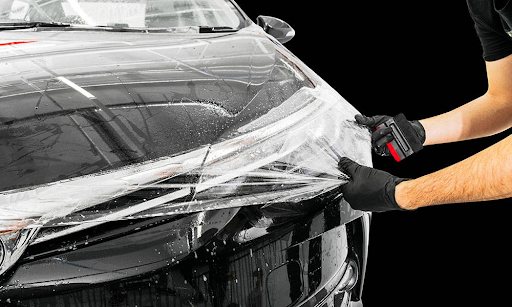
PPF isn’t a product that can simply be placed over a panel and forgotten about.
The vehicle needs careful preparation before installation. Dirt, dust, wax residue, and embedded contaminants have to be removed. Depending on the condition of the paint, light correction may also be required.
A professional installer also knows where to wrap edges and where to leave appropriate relief points. Those small details can make a significant difference to the finished appearance.
Where 9H Ceramic Coating Comes In
While PPF provides physical protection, ceramic coating is more focused on surface behavior.
In general, 9H ceramic coating consists of a liquid silicon-based product that becomes a hard and clear coat when dried on an appropriate surface. After drying, a hydrophobic effect is achieved since water tends to roll off rather than spread on the panel.
Can Ceramic Coating Be Applied Over PPF?
In many cases, yes, but compatibility matters.
Not every ceramic coating is intended for every type of PPF. Modern films can have different top-coat technologies and surface characteristics, so the coating manufacturer or installer should confirm that the two products can be used together.
When compatible products are selected, the coating can provide an additional protective surface over the film. This may improve water behavior and make the PPF easier to maintain.
The important point is timing.
The film should be properly installed and settled before the coating is applied. The installer should also inspect the PPF for lifting edges, contamination, or other issues first. Applying coating over a problem doesn’t solve it; it can simply make the problem harder to correct later.
What Does the Combination Protect Against?
Think of the two layers as having different responsibilities.
PPF is the stronger defense against physical hazards. It can help reduce the damage caused by stone impacts, light scratches, and everyday contact.
Ceramic coating deals more with surface-level environmental exposure. Water, dirt, road film, and certain contaminants are easier to manage when they encounter a hydrophobic-coated surface.
Neither product makes a car completely scratch-proof or maintenance-free. Deep impacts and serious accidents can still damage the underlying paint.
Keeping expectations realistic is important when investing in any detailing treatment.
Maintenance After Both Treatments
A PPF-coating application is not a very difficult task to maintain.
Sensible cleaning sessions will be sufficient. One should avoid using hard-bristle brushes, abrasive detergents, and rough drying methods. It is better to dry the car using a microfiber cloth.
Bird droppings, tree sap, and other acidic contaminants should also be removed promptly rather than being allowed to remain on the surface for days.
Regular inspection is useful too. If an edge of the film starts lifting or collecting dirt, it is better to have it checked early.
Is This Combination Worth Considering?
For someone keeping a car for several years, combining PPF with a suitable 9H ceramic coating can be a sensible approach.
The PPF can be concentrated on areas that take the most abuse, while the coating helps maintain the appearance and cleanliness of the film and other exposed surfaces.
The investment is higher than choosing either treatment alone, but the benefits are also broader.
Conclusion
Good paint protection isn’t necessarily about choosing the most expensive product available. It is about using the right product in the right place.
Professional paint protection film installation provides a physical barrier where road damage is most likely. A compatible 9H ceramic coating can then add hydrophobic properties, easier maintenance, and additional surface protection.