
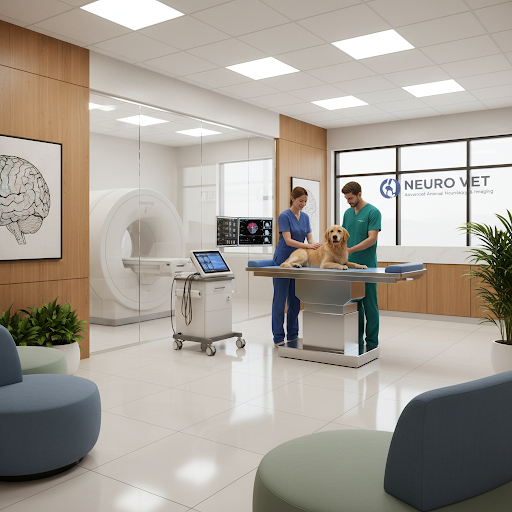
How to Choose the Right Veterinary Neurologist for Your Pet

When your pet faces a neurological issue, it can be a daunting experience. Understanding the role of a veterinary neurologist in Maryland is crucial for navigating through these challenging times. These specialists are trained to diagnose and treat a variety of neurological disorders in animals, ranging from epilepsy to spinal cord injuries. Knowing when to seek their expertise can significantly affect your pet’s quality of life.
Understanding Veterinary Neurology
Veterinary neurology is a specialized field that deals with disorders of the nervous system in animals. This includes the brain, spinal cord, nerves, and muscles. Conditions typically treated by veterinary neurologists include seizures, intervertebral disc disease, brain tumors, and neuromuscular disorders. These specialists utilize advanced diagnostic tools like MRI and CT scans to pinpoint issues accurately.
Common Neurological Conditions in Pets
- Seizures: Often a sign of epilepsy or other underlying conditions.
- Intervertebral Disc Disease (IVDD): A common spinal condition affecting certain breeds.
- Wobbler Syndrome: A disease of the cervical spine that can cause instability and pain.
- Meningitis: Inflammation of the protective membranes covering the brain and spinal cord.
Each of these conditions requires a tailored approach, often involving a combination of medication, surgery, and rehabilitation.
When to Seek a Veterinary Neurology Consult
If your pet shows signs such as uncoordinated movements, persistent head tilting, or sudden behavioral changes, it may be time to consider a veterinary neurology consult. Early intervention is key in preventing further deterioration and ensuring the best possible outcome for your pet.
The Consultation Process
During a neurology consult, the specialist will conduct a thorough physical examination and review your pet’s medical history. Diagnostic tests may be recommended to better understand the condition. This comprehensive approach ensures that the treatment plan is well-suited to your pet’s specific needs.
Choosing the Right Specialist
Selecting the right veterinary neurologist involves more than just searching for “veterinary neurology Maryland” online. Here are some factors to consider:
- Experience and Credentials: Look for board-certified neurologists with extensive experience in treating your pet’s specific condition.
- Facility and Equipment: Ensure the clinic is equipped with up-to-date diagnostic tools and surgical facilities.
- Communication and Support: Choose a specialist who communicates clearly and offers support throughout your pet’s treatment journey.
Questions to Ask Your Veterinary Neurologist
- What are the treatment options for my pet’s condition?
- What are the potential risks and benefits of each treatment?
- How will my pet’s quality of life be affected during treatment?
- What is the expected recovery timeline?
The Impact of Veterinary Neurology on Pet Health
Veterinary neurology plays a critical role in enhancing the quality of life for pets with neurological disorders. Advances in this field have led to a better understanding of complex conditions and improved treatment outcomes.
Recent Advances and Trends
- Genetic Testing: Helps in identifying hereditary neurological conditions, allowing for early intervention.
- Advanced Imaging Techniques: Innovations like 3D printing of spinal models aid in pre-surgical planning.
- Neurorehabilitation: Incorporates physical therapy and alternative treatments like acupuncture to support recovery.
Real-World Success Stories
Consider the case of Max, a Labrador retriever who was diagnosed with IVDD. After a successful surgery and rehabilitation program designed by his neurologist, Max regained his ability to walk and returned to his playful self. Stories like Max’s highlight the importance of specialized neurological care.
Statistical Insight
According to the American Veterinary Medical Association, approximately 1 in 5 dogs will experience a neurological disorder at some point in their lives. This statistic underscores the importance of having access to specialized care when needed.
Conclusion
Navigating the complexities of neurological disorders in pets requires expert care and a thoughtful approach. By understanding the role of veterinary neurologists and knowing when to seek their expertise, you can make informed decisions about your pet’s health. Whether it’s through early intervention or advanced treatment options, the right specialist can make a significant difference in your pet’s quality of life.