
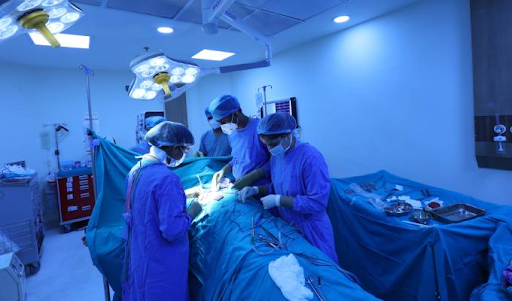
What to Look for in a GI Cancer Treatment Hospital in Delhi

Gastrointestinal cancers affect organs such as the stomach, liver, pancreas, and intestines. These conditions require timely diagnosis and planned treatment. In a city like Delhi, several hospitals offer oncology care, which can make the decision difficult for patients and families. Understanding what to look for in a hospital can help them make a clear and informed choice.
When selecting a GI cancer treatment hospital in Delhi, patients should evaluate medical expertise, diagnostic support, and patient care services. These factors play an important role in ensuring accurate diagnosis and consistent treatment. A careful assessment helps patients feel more confident about their care journey.
Experience of GI Cancer Specialists
Doctors with relevant experience play a central role in treating gastrointestinal cancers. These conditions often require specialised knowledge and coordinated care.
Hospitals should have:
- Surgical oncologists who perform GI-related procedures
- Medical oncologists who plan chemotherapy and targeted therapy
- Gastroenterologists who assist in diagnosis and follow-up
Experienced doctors assess the condition accurately and recommend appropriate treatment options. Their clinical judgement helps in managing complex cases effectively.
Range of Diagnostic Services
Accurate diagnosis forms the first step in cancer treatment. Hospitals should offer essential diagnostic facilities under one roof to avoid delays.
Key services include:
- Endoscopy and colonoscopy for internal examination
- Imaging tests such as CT scans, MRI, and PET scans
- Biopsy and pathology services to confirm findings
- Blood tests for further evaluation
These facilities help doctors identify the stage and spread of the disease. Early and accurate diagnosis supports timely treatment planning.
Availability of Treatment Options
Different types of gastrointestinal cancers require different treatment approaches. Hospitals should provide multiple treatment options based on individual needs.
Common treatment methods include:
- Surgery to remove tumours
- Chemotherapy to control cancer growth
- Radiation therapy for targeted treatment
- Targeted therapy and immunotherapy when suitable
Doctors should explain each option clearly and adjust the plan according to the patient’s condition. A flexible approach improves the overall treatment experience.
Multidisciplinary Team Approach
Gastrointestinal cancer care often involves more than one specialist. A coordinated team approach ensures that each case receives careful evaluation.
This approach helps in:
- Reviewing diagnosis and staging together
- Planning treatment sequences
- Monitoring progress during treatment
- Managing side effects efficiently
Hospitals that follow a multidisciplinary model provide organised and consistent care throughout the treatment process.
Hospital Infrastructure and Clinical Support
The quality of hospital infrastructure supports better treatment and recovery. Well-maintained facilities help doctors perform procedures safely and manage patients effectively.
Important elements include:
- Operating theatres designed for complex procedures
- Intensive care units for recovery and monitoring
- Dedicated oncology units for specialised care
- Proper infection control practices
Clean and organised spaces also create a comfortable environment for patients during their stay.
Patient Care and Support Services
Cancer treatment affects both physical and emotional health. Hospitals should provide support services that address these concerns.
Support services may include:
- Counselling to help patients and families cope
- Nutritional advice during treatment
- Pain management support
- Follow-up and rehabilitation services
These services improve the overall care experience and help patients maintain their well-being during treatment.
Accreditation and Quality Standards
Accreditations reflect a hospital’s adherence to recognised healthcare standards. Patients should review these certifications before making a decision.
Look for:
- NABH accreditation
- ISO certification
- Compliance with clinical safety guidelines
These indicators show that the hospital maintains consistent quality and follows established protocols.
Accessibility and Continuity of Care
Cancer treatment often requires repeated visits over a period of time. The hospital’s location and accessibility can influence patient convenience.
Consider:
- Ease of travel to the hospital
- Availability of appointments
- Coordination between departments
- Support for patients travelling from outside Delhi
Accessible hospitals reduce travel-related stress and support continuity in treatment.
Transparency in Communication
Clear communication between doctors and patients helps build trust. Patients should understand their diagnosis and treatment plan without confusion.
Hospitals should:
- Explain medical conditions in simple terms
- Discuss treatment options openly
- Provide clarity on procedures and timelines
- Address patient queries with patience
Transparent communication allows patients to participate in decision-making and feel more confident.
Importance of Timely Diagnosis
Early diagnosis improves the chances of effective treatment. Patients should seek medical advice when they notice persistent symptoms.
Common signs include:
- Ongoing abdominal discomfort
- Changes in bowel habits
- Unexplained weight loss
- Difficulty swallowing
Prompt consultation helps doctors identify the condition early and begin treatment without delay.
Conclusion
Choosing the right hospital requires careful evaluation of expertise, facilities, and patient support. A GI cancer treatment hospital in Delhi should offer experienced specialists, reliable diagnostic services, and coordinated care. Patients and families should review these factors before making a decision. A thoughtful approach can