
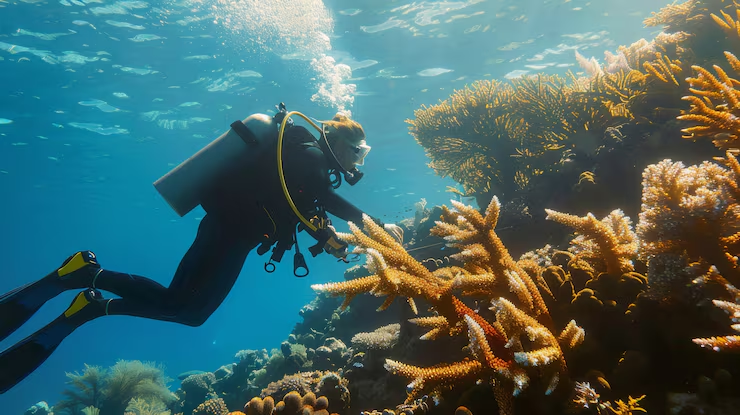
Why Take an Open Water Diving Course Koh Tao?

Learning to scuba dive opens underwater worlds filled with vibrant marine life and stunning coral reefs. An open water diving course Koh Tao provides exceptional training in one of Thailand’s premier diving destinations, combining quality instruction with affordable pricing and perfect tropical conditions. Understanding what makes Koh Tao ideal for certification helps aspiring divers choose the best location to begin their underwater adventures.
Why Choose Koh Tao for Certification
This small Thai island offers unique advantages:
Competitive Pricing Koh Tao open water certification costs significantly less than courses in Europe, Australia, or North America without compromising quality.
Warm, Clear Waters Tropical temperatures (27-30°C year-round) and excellent visibility create comfortable learning conditions.
Calm Training Sites Protected bays provide gentle conditions ideal for nervous beginners mastering new skills.
Marine Life Abundance Students encounter tropical fish, turtles, and diverse marine species from their first dives.
Established Dive Industry Decades of experience have created world-class training infrastructure with professional standards.
English-Speaking Instructors International staff speaking multiple languages ensuring clear communication during training.
Dive Community Atmosphere Meeting fellow students and divers from around the world creating memorable social experiences.
What is the Open Water Course?
PADI Open Water Diver certification represents entry-level scuba credentials:
Theory Components Learning diving physics, physiology, equipment, and safety through classroom sessions and online study.
Confined Water Training Practicing essential skills in shallow pool or beach areas before ocean dives.
Open Water Dives Completing four ocean dives demonstrating mastery of required skills in real diving conditions.
Certification Achievement Earning credentials qualifying you to dive to 18 meters (60 feet) worldwide.
Open Water Koh Tao Price
Understanding cost structures helps budget planning:
Standard Course Fees Typically 9,800-11,800 Thai Baht (approximately $280-$340 USD) including all materials and equipment.
Course Inclusions
- PADI materials (digital or physical)
- All dive equipment rental
- Four open water dives
- Certification processing fees
- Insurance during training
Additional Costs
- Accommodation (usually separate)
- Meals (sometimes included in packages)
- Extra dives beyond required four
- Dive computer rental (optional)
- Underwater photos/videos
Package Deals Many dive centers offer accommodation bundles reducing overall costs.
Course Structure and Timeline
Typical open water dive training Koh Tao schedules:
Duration Standard courses complete in 3-4 days depending on pace and weather.
Daily Schedule
- Morning: Theory sessions or confined water practice
- Afternoon: Open water dives or skill development
- Evening: Study, video review, or relaxation
Flexible Pacing Most centers accommodate different learning speeds, extending courses if needed.
Training Dive Sites
Koh Tao offers perfect beginner locations:
Sairee Beach Area Shallow, calm waters ideal for initial skill practice and confidence building.
Shark Bay Protected site where students often see blacktip reef sharks creating exciting first impressions.
Aow Leuk Beautiful bay with gentle conditions and abundant fish life for open water dives.
Japanese Gardens Shallow coral gardens perfect for practicing buoyancy and observation skills.
Skills You’ll Master
Open water certification teaches essential competencies:
Equipment Assembly Setting up scuba gear correctly and performing safety checks.
Breathing Techniques Controlling respiration underwater and managing air consumption efficiently.
Buoyancy Control Achieving neutral buoyancy hovering effortlessly without touching coral or sand.
Mask Clearing Removing water from masks underwater maintaining composure and visibility.
Emergency Procedures Handling out-of-air situations, equipment malfunctions, and controlled ascents.
Navigation Skills Using compasses and natural features finding your way underwater.
Buddy Communication Hand signals and underwater communication ensuring safe diving partnerships.
What Happens After Certification
Your license opens worldwide diving opportunities:
Global Recognition PADI certifications accepted at dive centers worldwide.
Continuing Education Advanced courses, specialties, and professional levels available for further development.
Diving Independently Ability to rent equipment and dive with buddies anywhere (insurance recommended).
Travel Opportunities Accessing incredible dive destinations throughout Southeast Asia and beyond.
Choosing Dive Centers
Select Koh Tao schools offering:
PADI Recognition Certified PADI dive centers maintaining international standards.
Experienced Instructors Well-trained staff with thousands of dives and years teaching experience.
Quality Equipment Well-maintained, modern gear in various sizes fitting all students.
Small Class Sizes Limited student-to-instructor ratios ensuring personal attention.
Safety Records Centers with strong safety cultures and excellent track records.
Positive Reviews Student testimonials praising instruction quality and experiences.
Preparation Tips
Maximize your course experience:
Swimming Ability Comfort in water essential, though you don’t need competitive swimming skills.
Physical Health Complete medical questionnaires honestly; certain conditions require physician clearance.
Study Commitment Review theory materials seriously; understanding concepts ensures safe diving.
Open Mindedness Embrace new experiences and trust instructor guidance.
Adequate Rest Get proper sleep; diving while exhausted creates risks.
Best Times to Visit
Consider seasonal factors:
Year-Round Diving Koh Tao offers excellent conditions throughout the year.
Peak Season (December-March) Best visibility but more crowded and slightly higher prices.
Shoulder Season (April-June, September-November) Great conditions with fewer students and occasional deals.
Monsoon (July-August) Still diveable with good prices, though occasional weather affects schedules.
Beyond Your Course
Koh Tao offers additional experiences:
Fun Diving Continuing practice after certification exploring more sites.
Advanced Courses Deep diving, navigation, and other specialties.
Social Scene Vibrant backpacker community with restaurants, bars, and activities.
Island Exploration Beautiful beaches, viewpoints, and jungle trails between dives.
Conclusion
An open water diving course Koh Tao combines world-class instruction with affordable pricing, perfect training conditions, and stunning marine environments. The competitive Koh Tao open water certification prices, professional dive centers, and exceptional diving sites make this Thai island ideal for beginning your underwater journey. Whether seeking budget-friendly open water dive training Koh Tao or simply wanting to learn in a tropical paradise, this diving mecca offers everything needed to become a confident, certified scuba diver ready to explore oceans worldwide.