Dog Neurology Specialist: Expert Diagnosis and Treatment for Canine Neurological Conditions

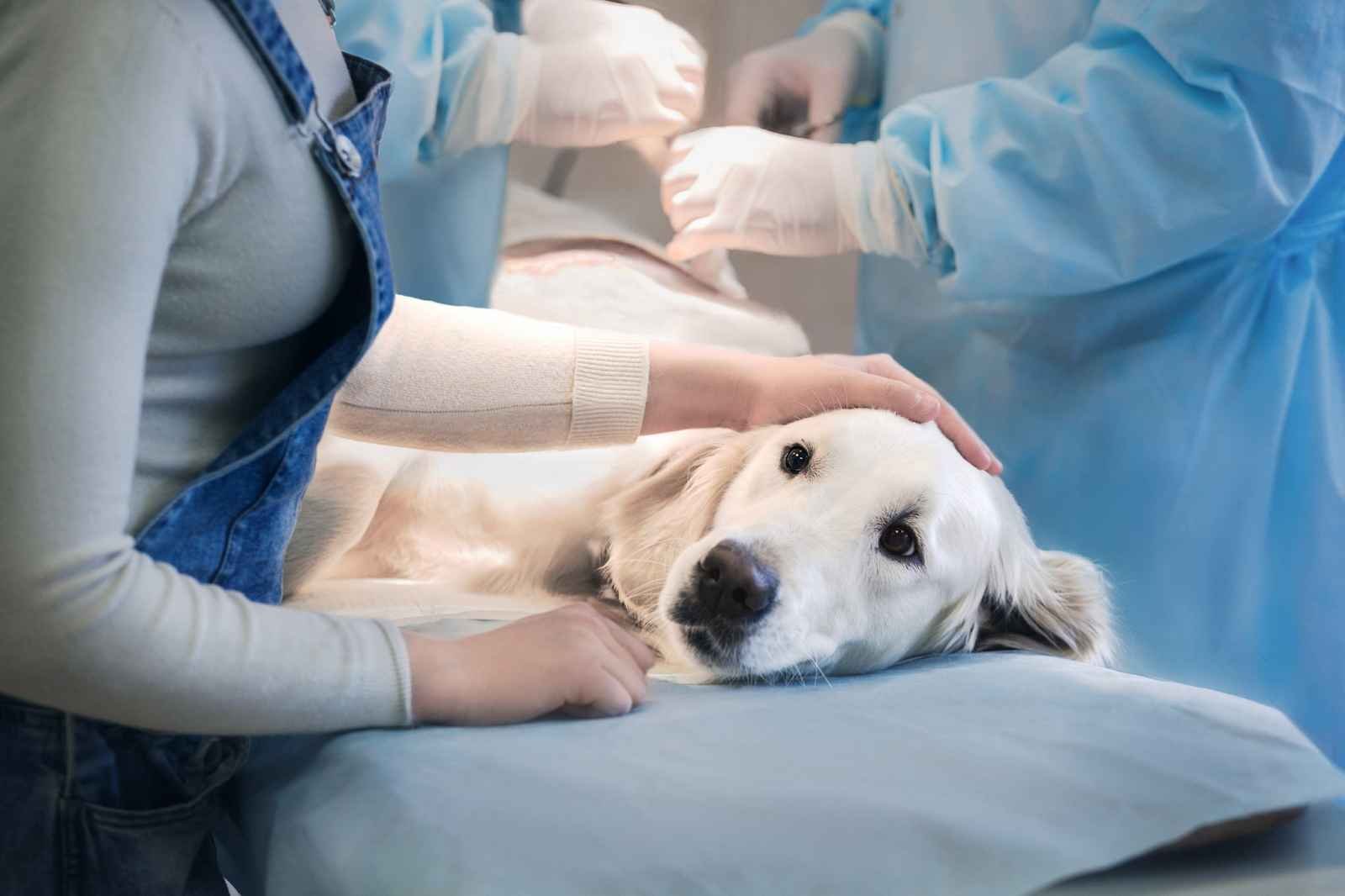
Dogs experiencing neurological problems require specialized evaluation from trained experts capable of identifying complex nervous system disorders. A dog neurology specialist possesses advanced training specifically in canine neurological disease, enabling sophisticated diagnosis and evidence-based treatment of conditions affecting your dog’s brain, spinal cord, nerves, and muscles. Canine neurological conditions present unique diagnostic and treatment challenges requiring specialist expertise. Understanding canine neurology specialization, common conditions affecting dogs, diagnostic approaches, and treatment options helps dog owners making informed decisions about their pet’s neurological health.
Canine Neurological Specialization and Expertise
Understanding what canine neurologists specialize in clarifies their unique value.
Canine-Specific Training and Expertise
Dog neurology specialists dedicate their advanced training specifically to canine neurological conditions. This specialization enables deep understanding of canine-specific diseases, breed predispositions, and optimal treatment approaches for dogs. Canine-specific expertise differs importantly from general neurology applicable across species.
Disease Knowledge and Recognition
Canine specialists recognize canine-specific neurological conditions—breed-related disc disease, degenerative myelopathy common in certain breeds, or inherited neurological conditions. Familiarity with canine-specific disease presentations enables rapid diagnosis and optimal management.
Diagnostic Interpretation for Dogs
Interpreting neurological examination findings in dogs, understanding canine imaging, and analyzing diagnostic results requires canine-specific knowledge. Specialists develop nuanced understanding of canine neurological presentation.
Treatment Optimization for Canine Patients
Dogs respond to treatments differently than cats or other animals. Canine specialists optimize drug dosing, rehabilitation approaches, and surgical techniques specifically for canine patients.
Common Canine Neurological Conditions
Understanding prevalent canine neurological disorders highlights specialist value.
Intervertebral Disc Disease (IVDD)
IVDD represents one of the most common canine neurological conditions, particularly in dachshunds and small breeds. Disc herniation compresses spinal cord causing varying degrees of pain and paralysis. Specialists determine surgical necessity and timing, dramatically influencing outcomes.
Degenerative Myelopathy (DM)
This progressive spinal cord disease particularly affects German Shepherds and other breeds. DM diagnosis requires genetic testing and clinical evaluation. Specialists provide accurate diagnosis and management strategies maintaining quality of life.
Seizure Disorders and Epilepsy
Canine epilepsy requires sophisticated management—accurate seizure classification, antiepileptic drug selection, and seizure control monitoring. Neurologists optimize seizure management improving quality of life.
Fibrocartilaginous Embolism
This acute spinal cord infarction causes sudden onset paralysis. Rapid diagnosis and management by specialists optimize outcomes during this critical condition.
Brain Tumors and Encephalitis
Canine brain disease including tumors or inflammatory conditions requires specialist expertise for diagnosis and treatment planning.
Diagnostic Approach for Canine Neurology
Specialists employ systematic diagnostic methods.
Comprehensive Neurological Examination
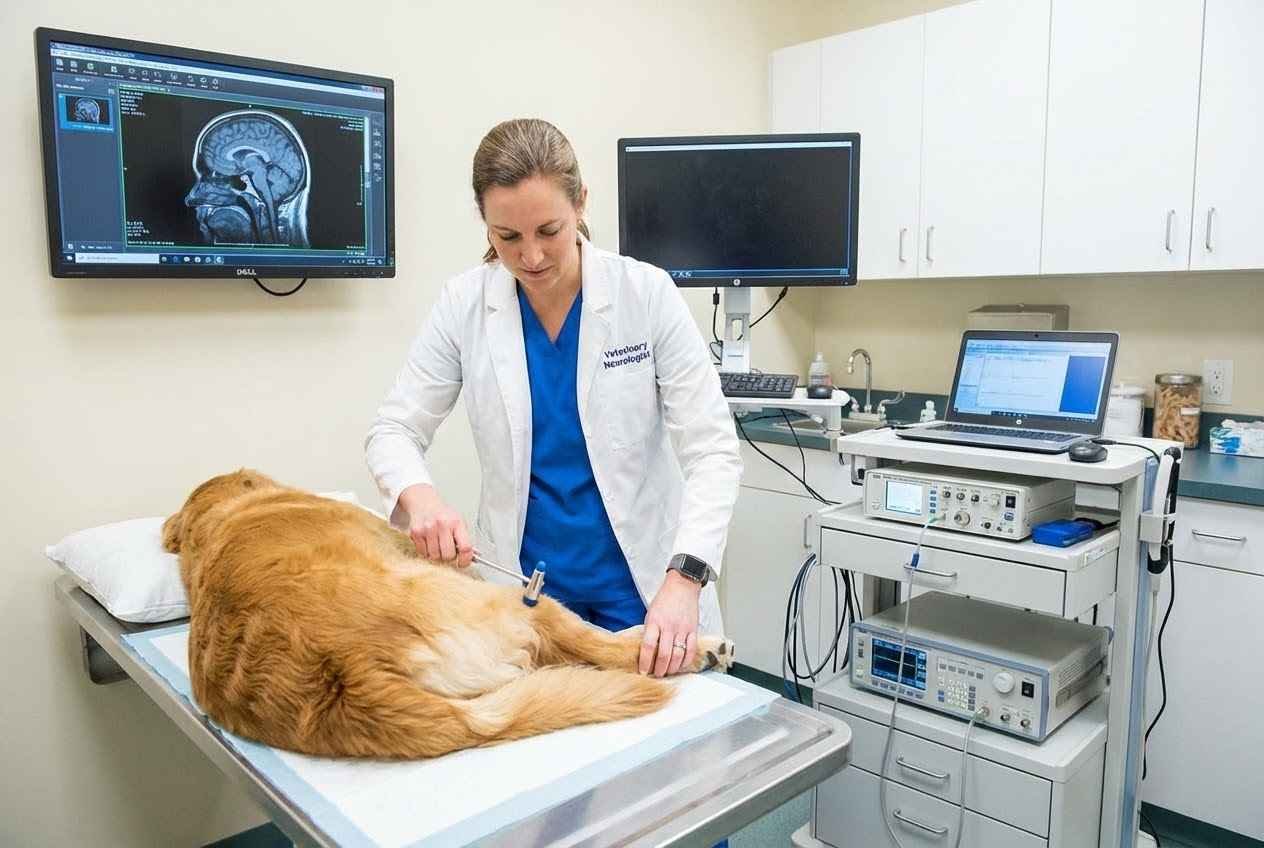
Detailed neurological examinations reveal specific nervous system dysfunction localization. Specialists assess mental status, cranial nerves, gait, coordination, spinal reflexes, and pain perception identifying specific neurological abnormalities.
Advanced Imaging in Dogs
MRI provides detailed visualization of canine brain and spinal cord. CT imaging enables rapid assessment. Specialist interpretation identifies pathology requiring specific treatment.
Electrodiagnostic Testing
EMG/NCS testing in dogs requires canine-specific knowledge regarding normal values and interpretation. This testing identifies peripheral nerve, neuromuscular junction, or muscle disease.
Laboratory Analysis
CSF analysis or other laboratory testing identifies infectious, inflammatory, or metabolic causes of neurological disease.
Treatment Approaches and Options
Specialists employ varied treatment strategies.
Medical Management
Antiepileptic drugs, immunosuppressive therapy, or other medical treatments manage many canine neurological conditions. Specialists select optimal treatments and monitor effectiveness.
Surgical Intervention
Many canine conditions benefit from surgery. Disc decompression, tumor removal, or other procedures optimize outcomes when appropriate. Specialists determine surgical necessity.
Rehabilitation Therapy
Post-treatment physical rehabilitation supports neurological recovery. Specialists design rehabilitation protocols addressing specific deficits.
Supportive Care and Palliative Options
Some conditions require supportive care or palliative management maintaining comfort and quality of life when cure isn’t possible.
Recognizing When Canine Neurology Referral Is Necessary
Several situations warrant specialist consultation.
Diagnostic Uncertainty
When primary care veterinarians cannot identify causes of neurological symptoms, specialist evaluation provides advanced diagnostic expertise.
Treatment Failure or Complications
When medical or surgical treatments fail or complications develop, specialists provide expertise optimizing outcomes.
Progressive Neurological Decline
Progressive worsening despite treatment warrants specialist evaluation determining underlying causes and optimal interventions.
Complex or Rare Conditions
Uncommon canine neurological diseases benefit from specialist expertise identifying and appropriately managing these conditions.
Collaborative Care Approach
Quality canine neurology specialists emphasize collaboration.
Communication With Primary Veterinarians
Specialists maintain active communication with primary care veterinarians ensuring coordinated comprehensive care.
Shared Decision-Making
Specialists discuss diagnosis, prognosis, treatment options, and risks thoroughly enabling informed decision-making by dog owners.
Comprehensive Treatment Plans
Specialists develop detailed treatment plans coordinating medical, surgical, and rehabilitative interventions optimizing outcomes.
Improving Canine Outcomes Through Specialization
Specialist expertise measurably improves canine neurological outcomes.
Diagnostic Accuracy
Specialist expertise enables accurate diagnosis of complex conditions sometimes missed by general practitioners, leading to appropriate treatment.
Treatment Optimization
Specialists optimize treatment approaches—drug selection, dosing, surgical timing—improving outcomes and minimizing complications.
Prognosis Communication
Specialists provide realistic prognosis based on condition severity and treatment options enabling informed expectations.
Conclusion
Dog neurology specialists provide essential expertise for canine neurological conditions. Their advanced training, canine-specific knowledge, and access to sophisticated diagnostics and treatments enable optimal outcomes for dogs with nervous system disease. If your dog exhibits neurological symptoms or your veterinarian recommends specialist evaluation, consulting a dog neurology specialist ensures your pet receives expert care addressing complex neurological challenges.