
Early Detection of Leukoplakia: Why Regular Dental Check-Ups Matter

Many people notice small white or grey patches in their mouth and assume they’re harmless. In reality, these could be signs of a condition called leukoplakia, an early indicator of potential oral health issues. Detecting such changes early can make a significant difference in diagnosis and care. Regular dental check-ups go beyond cleaning; they allow dentists to spot early warning signs and ensure timely treatment. Let’s understand what leukoplakia is and why regular dental check-ups matter for maintaining lasting oral health.
What Is Leukoplakia?
Leukoplakia causes white or grey patches to form inside the mouth, on the gums, cheeks, tongue, or floor of the mouth. These patches cannot be easily removed and can differ in shape and thickness. In most cases, leukoplakia is harmless; however, in some instances, it may indicate early changes in the mouth tissues that require attention.
Dentists describe leukoplakia as a condition that requires observation and care. Regular dental check-ups help identify such patches early, track their progress, and ensure any necessary treatment is started on time.
Common Causes and Risk Factors
Knowing what causes leukoplakia helps prevent it and identify early signs.
Tobacco Use
Smoking or chewing tobacco is one of the leading causes. The chemicals irritate the mouth’s lining and may cause thick, white patches.
Alcohol Consumption
Frequent alcohol use, especially with tobacco, can make the mouth tissues dry and more sensitive to irritation.
Chronic Irritation
Sharp teeth, broken fillings, or loose dentures can rub against the mouth’s inner surface, causing friction that leads to tissue changes.
Weakened Immune System
Individuals with a weakened immune system, such as those recovering from an illness, may be more susceptible to developing leukoplakia.
By being aware of these risks, individuals can take small steps to protect their mouths and maintain healthy habits.
How Regular Dental Check-Ups Aid Early Detection
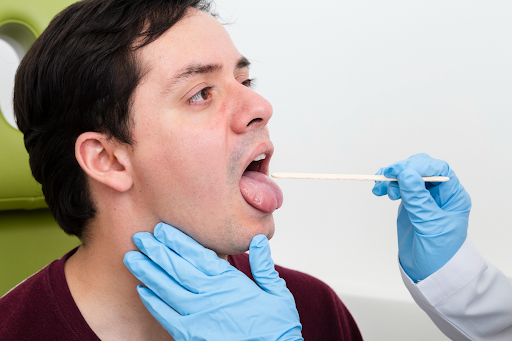
Regular dental check-ups are the best way to detect leukoplakia and other mouth conditions early. During these visits, the dentist checks the gums, tongue, cheeks, and throat for any unusual white or grey patches. If found, these areas are recorded and reviewed in later appointments to track changes. Early observation enables prompt action through minor tests or simple treatments, thereby preventing further complications.
Dentists also discuss lifestyle factors like tobacco and alcohol use and suggest ways to reduce irritation. They notice issues caused by dentures or fillings and recommend small corrections to prevent friction. These regular visits also help maintain a record of your oral health, allowing early detection and timely care when needed.
Why Early Detection Matters
Detecting leukoplakia early makes care more straightforward and more effective. When found at an early stage, treatment often involves removing the source of irritation, improving oral hygiene, and routine monitoring.
Without early attention, some cases may become more challenging to manage and require specialized care. Detecting changes early prevents discomfort and reduces the need for complex procedures.
It also saves time, lowers stress, and reduces the costs associated with advanced treatments. Acting early allows care to begin before discomfort or visible changes appear. Early detection also supports overall well-being. Because oral health affects the entire body, treating issues early helps prevent future complications.
What Patients Should Do
Taking small, consistent steps can help protect your oral health.
- Visit your dentist regularly, or as advised during your last appointment.
- Look for white or grey patches, red spots, or sores that do not heal within two weeks.
- Avoid tobacco and reduce alcohol use, as both can irritate the mouth tissues.
- Make sure dentures or dental fittings feel comfortable and do not cause friction.
- Maintain daily oral hygiene by brushing, flossing, and using dentist-recommended mouth rinses.
- If diagnosed with leukoplakia or any mouth condition, attend every follow-up, even when symptoms seem stable.
Regular care, not just awareness, ensures early detection remains effective.
The Role of Education and Awareness
Leukoplakia often goes unnoticed because many people are unaware of its signs. Since early patches are usually painless, they may seem unimportant. Spreading awareness and encouraging regular dental visits helps bridge this gap.
Dentists play a key role by explaining findings clearly, promoting open discussions, and reducing hesitation about oral conditions. When patients feel comfortable sharing concerns, they are more likely to seek timely help.
When people understand the importance of early signs and regular check-ups, they can take simple, confident steps to protect their oral health. With proper knowledge and support, conditions like leukoplakia can be managed with ease and reassurance.
Conclusion
Detecting leukoplakia early is more about prevention and reassurance than worry. Regular dental check-ups help spot even the smallest changes before they become serious. Acting early not only protects oral health but also keeps treatments simpler and recovery easier.
Making time for routine visits is a small habit that leads to long-term care and comfort. A few minutes at the dentist today can help you avoid bigger issues later. The takeaway is simple: stay mindful, visit your dentist regularly, and care for your mouth just as you do for the rest of your health.