
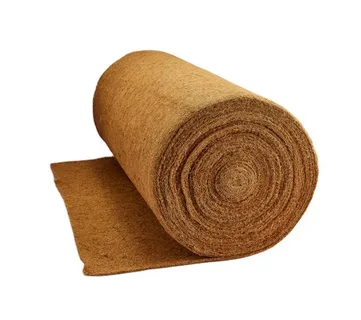
Natural Coir Floorcovering: A Durable Option for High-Traffic Australian Homes

When it comes to flooring that can take a bit of punishment, natural coir floorcovering stands out for its toughness. It’s not about softness or luxury. It’s about resilience, grip, and the ability to handle daily wear without constant upkeep.
Coir is made from coconut husk fibres, which are naturally coarse and strong. This gives the material a rugged quality that works well in spaces where durability matters more than comfort.
In Australian homesespecially those with active households, pets, or frequent outdoor movementthis kind of flooring has a clear role.
Built from a Tough Natural Fibre
Coir fibres are thicker and more rigid than many other natural materials. That’s what gives them their strength.
Unlike softer fibres that flatten or wear quickly, coir:
- Maintains its structure under pressure
- Resists crushing in high-use areas
- Provides a firm, textured surface
This makes natural coir floorcovering (Herringbone Coir, Ribbed Natural Coir) particularly useful in areas where flooring takes constant impact.
It’s not designed to feel soft underfoot. Instead, it offers a stable and hard-wearing base that holds up over time.
Ideal for High-Traffic Zones
In most homes, certain areas experience more wear than others. Entryways, hallways, and transitional spaces tend to see the most movement.
Coir performs well in:
- Front and back entrances
- Corridors connecting different parts of the home
- Utility areas with frequent foot traffic
- Covered outdoor spaces
The coarse texture helps scrape dirt from footwear, reducing the amount of debris carried further inside.
In households where people move in and out oftenwhether from work, school, or outdoor activitiesthis becomes a practical advantage.
Understanding Herringbone and Ribbed Styles
Natural coir floorcovering comes in different weave styles, each offering a slightly different look and function.
Herringbone coir features a zigzag pattern that adds visual movement to the floor. It works well in larger areas where subtle design detail can enhance the space without introducing colour.
Ribbed natural coir has a more linear texture. The raised ridges help trap dirt and provide extra grip, making it especially effective in entry zones.
Both styles maintain the core strength of coir while offering different aesthetic options.
Choosing between them often comes down to:
- The size of the space
- The desired visual effect
- The level of foot traffic
Aesthetic That Reflects Natural Simplicity
Coir has a distinctive look. The fibres are thick, and the colour typically falls within warm, earthy tonesranging from golden brown to deeper, rustic shades.
This works well with:
- Timber floors and furniture
- Neutral interior palettes
- Natural materials like stone and linen
In Australian homes that favour a relaxed, grounded style, coir fits naturally without feeling forced.
It doesn’t aim to be polished or refined. Instead, it adds a sense of raw texture that complements everyday living.
Comfort vs Practicality
It’s important to be clearcoir is not a comfort-focused flooring option.
Underfoot, it feels:
- Firm
- Coarse
- Textured rather than smooth
For walking areas, this is usually acceptable. In fact, the grip can be beneficial, especially in entry points or areas where floors might otherwise feel slippery.
However, for spaces like bedrooms or lounge areas where softness is preferred, coir may not be the best choice.
In some cases, homeowners use coir in high-traffic zones and switch to softer materials elsewhere. This allows each space to serve its purpose without compromise.
Performance in Australian Conditions
Australia’s climate can vary, but coir generally performs well in a range of conditions when used appropriately.
It handles:
- Dry environments without issue
- Moderate humidity with proper ventilation
However, like most natural fibres, it can be affected by excessive moisture.
This means:
- It should not be used in wet areas like bathrooms
- Prolonged exposure to water should be avoided
- Good airflow helps maintain its condition
In covered outdoor areas or well-ventilated interiors, it holds up reliably.
Maintenance and Everyday Care
Natural coir floorcovering is relatively easy to maintain, especially considering the environments it’s often used in.
Routine care includes:
- Regular vacuuming to remove dirt and debris
- Shaking out smaller mats if applicable
- Spot cleaning dry dirt when needed
Because of its coarse texture, coir naturally traps dirt. This is useful for keeping other areas clean, but it also means the flooring itself needs regular attention.
Spills should be handled carefully. While coir is tough, it can still absorb moisture, which may lead to staining or fibre damage if not addressed quickly.
Keeping the surface dry and clean is usually enough to maintain its performance.
Sustainability and Material Source
Coir is often chosen for its environmental qualities as well.
It is:
- A by-product of coconut processing
- Renewable and widely available
- Biodegradable under the right conditions
Using coir makes use of material that might otherwise go to waste, which adds to its appeal for environmentally conscious homeowners.
While sustainability depends on sourcing and manufacturing practices, the base material itself is considered a responsible option.
Where Coir Makes the Most Sense
Natural coir floorcovering is best used in spaces where durability and function are the priority.
It works well in:
- Entryways and door zones
- Hallways with constant movement
- Utility rooms
- Covered outdoor areas
It’s less suited for:
- Bedrooms or relaxation areas
- Spaces where softness is required
- Areas exposed to frequent moisture
Using it in the right context ensures it performs as expected.
A Functional Flooring Choice
Natural coir floorcovering (Herringbone Coir, Ribbed Natural Coir) is not about comfort or luxury. It’s about practicality.
It handles:
- Dirt
- Foot traffic
- Daily wear
Without needing constant attention.
For Australian homes that deal with outdoor elements, busy routines, and the need for low-maintenance solutions, coir offers a straightforward answer.
It does its job, holds its shape, and supports the parts of the home that see the most action.
Author: Floorspace shares practical, experience-driven insights to help homeowners choose suitable flooring solutions.