
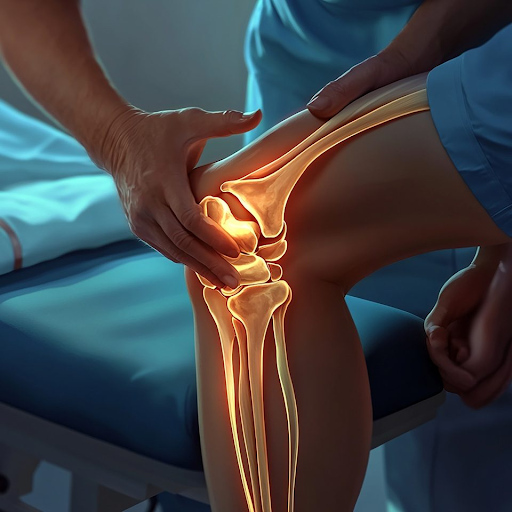
How Can Robotic Technology Make Knee Surgery More Precise?

A few millimetres can matter when positioning an artificial knee joint. The alignment of the implant, the amount of bone removed, and the balance of surrounding ligaments all influence how the replacement functions. These details require careful planning and controlled surgical execution. A robotic surgery machine can assist surgeons by providing detailed measurements, real-time guidance, and greater control during selected stages of knee replacement. Understanding these advantages helps patients see where robotic technology contributes to surgical precision and why the surgeon’s expertise remains essential.
1. Creating A More Detailed Picture of The Knee
Every patient’s knee has a different anatomical structure. Some people have bow-legged alignment, others have inward knee positioning, and some have deformities caused by previous injuries or advanced arthritis.
Robotic-assisted systems can help surgeons assess these variations through preoperative imaging or measurements collected during the procedure. Certain platforms create a digital model of the joint, allowing the surgeon to examine its dimensions and plan the operation according to individual anatomy.
This detailed assessment helps reduce dependence on standard measurements alone. The surgeon can consider the patient’s existing alignment and determine the appropriate positioning of the replacement components before proceeding.
2. Planning Bone Removal With Greater Control
During knee replacement, damaged portions of the joint surfaces must be removed to accommodate artificial components. Removing too much or too little bone can affect implant positioning and the overall surgical result.
Robotic assistance can help surgeons define the required cutting areas and monitor instrument movement during bone preparation. Depending on the system, visual guidance or controlled boundaries can help keep the procedure aligned with the planned measurements. This is one of the precision-related advantages patients may explore when considering robotic surgery in Bangalore.
This level of guidance is particularly relevant when the patient’s anatomy makes conventional measurements more challenging. The surgeon still controls the instruments and determines the appropriate amount of bone preparation.
3. Improving The Positioning Of Artificial Components
Implant alignment is one of the important considerations in knee replacement. The artificial components need to fit the prepared bone surfaces and support appropriate joint movement.
Incorrect positioning may contribute to uneven loading, instability, discomfort, or difficulties with movement. Robotic technology can provide measurements and guidance that help surgeons position the components according to the planned alignment.
The surgeon can evaluate the relationship between the thighbone and shinbone components and make adjustments when necessary. The objective is to achieve a stable joint that supports the patient’s functional requirements rather than simply placing the implant according to a fixed measurement.
4. Assessing Ligament Balance During Surgery
The knee depends on surrounding ligaments and soft tissues for stability. Even when the artificial components are positioned correctly, an imbalance in these structures can affect how the joint feels and moves.
Some robotic platforms allow surgeons to assess joint gaps and soft-tissue tension at different stages of the procedure. This information can help identify areas where the joint may be too tight or too loose.
The surgeon can then consider adjustments to component positioning or soft-tissue management. Better assessment of ligament balance may help support stability and smoother movement after surgery.
5. Reducing Variation In Surgical Measurements
Conventional knee replacement relies on established instruments and measurement techniques. These methods have helped surgeons perform successful procedures for many years, but measurements can involve some variation.
Robotic assistance introduces additional digital guidance during selected surgical steps. It can help surgeons follow a planned pathway and monitor whether bone preparation and component positioning remain within the intended parameters. A modern robotic surgery machine can also provide real-time feedback that supports more controlled surgical adjustments.
Consistency is especially important when treating patients with unusual anatomy or complex joint deformities. However, robotic guidance does not eliminate human error or guarantee identical results across all procedures.
6. Allowing Adjustments Based On Actual Findings
Surgical planning begins before the operation, but the surgeon may identify additional details once the joint is exposed. The condition of the cartilage, bone surfaces, and surrounding tissues can influence the final decisions.
Certain robotic systems provide information during surgery that allows the surgeon to reassess alignment, joint movement, and soft-tissue balance. The original plan can be modified when clinical findings indicate that an adjustment is necessary.
This flexibility is valuable because precision does not simply mean following an initial plan without changes. It also involves recognising when the plan needs to be adapted to achieve an appropriate result.
7. Supporting More Individualised Knee Replacement
A standard surgical approach may not address every anatomical difference in the same way. Patients with severe arthritis, previous fractures, unusual bone structure, or significant deformity may have different requirements.
Robotic assistance can help surgeons account for these variations while planning implant size, positioning, and alignment. This makes it possible to consider the patient’s individual joint characteristics during important surgical decisions.
Nevertheless, not every patient requires robotic assistance. The surgeon must determine whether the technology offers a practical advantage compared with conventional techniques for the condition being treated.
8. Maintaining The Surgeon At The Centre
Although robotic technology provides additional measurements and guidance, it does not independently perform the entire operation. The surgeon interprets the information, controls the instruments, and makes decisions throughout the procedure.
Training and familiarity with the particular robotic platform are therefore important. Patients considering robotic surgery in Bangalore should ask about the surgeon’s experience with the technology, the type of system being used, and the specific precision-related benefits expected in their case.
The quality of the operating team, hospital facilities, implant selection, and postoperative care also influence the overall treatment experience.
Conclusion
Robotic technology can contribute to knee surgery precision by supporting detailed anatomical assessment, controlled bone preparation, accurate implant positioning, and better evaluation of ligament balance. These capabilities help surgeons make informed adjustments during important stages of knee replacement. However, the technology remains an aid to surgical expertise, not a substitute for it.
For individuals exploring advanced orthopaedic procedures, Bone & Joint Consult, under the guidance of Dr. Rewat Laxman, offers an opportunity to understand available treatment approaches and discuss their suitability with a specialist. A carefully planned procedure, appropriate surgical guidance, and consistent rehabilitation remain central to achieving meaningful improvements in knee function and everyday mobility.