
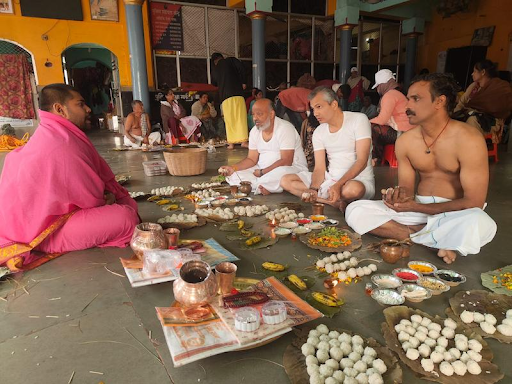
Honouring Family Traditions Through Sacred Rituals and Auspicious Ceremonies

Religious rituals hold a special place in Indian culture, connecting families with their spiritual roots and preserving traditions across generations. From ceremonies performed in remembrance of ancestors to prayers marking the beginning of a new chapter in life, these practices offer an opportunity to express gratitude, seek blessings, and find peace of mind. Understanding the purpose and preparation behind each ritual helps families observe them with sincerity and respect.
Among the many important Hindu traditions, ancestral rites performed in Gaya and housewarming ceremonies conducted before moving into a new home are especially meaningful. Although they serve different purposes, both reflect a desire for spiritual well-being, harmony, and positive beginnings.
Understanding the Spiritual Significance of Pind Daan
Pind Daan is a traditional Hindu ritual performed to honour deceased ancestors. It is associated with expressing gratitude, fulfilling family responsibilities, and praying for the spiritual welfare of departed loved ones. For many families, performing these rites is an important way to maintain a connection with their lineage and religious heritage.
Gaya, located in Bihar, is one of the most revered pilgrimage destinations for ancestral rituals. Its association with traditional beliefs surrounding Pitru rites attracts devotees from different parts of India. Families often visit the city to perform ceremonies according to their customs, seeking guidance from knowledgeable priests.
Planning pind daan gaya ji rituals involves understanding the ceremony’s requirements, identifying the appropriate location, and arranging the necessary materials. Families may also need to consider travel, accommodation, the number of participants, and the specific traditions they wish to follow.
Advance preparation can make the experience more organised, especially for people travelling from distant cities with elderly relatives or limited time.
Why Gaya Is Important for Ancestral Rituals
Gaya holds a distinctive position in Hindu pilgrimage traditions because of its long-standing connection with Pind Daan and Shraddha ceremonies. Devotees visit sacred sites in and around the city to perform rites intended to honour their ancestors.
For families undertaking the journey for the first time, understanding local customs can be helpful. Ritual procedures may differ depending on family traditions, religious guidance, and the purpose of the ceremony. Asking questions before the visit helps clarify what is expected and reduces uncertainty on the day of the ritual.
A pilgrimage can also be an opportunity for family members to learn about their heritage. Older relatives may share stories about previous generations, while younger family members gain a better understanding of the customs that have shaped their family identity.
Respectful participation, thoughtful preparation, and a clear understanding of the ritual’s purpose can make the visit more meaningful than simply completing a list of ceremonial steps.
Choosing the Right Priest for Pind Daan
A priest plays an important role in guiding families through religious ceremonies. Someone familiar with the relevant traditions can explain the sequence of rituals, the required materials, and the customary prayers in a way that participants can understand.
When selecting a gaya pind daan pandit, families should consider experience with ancestral rites, communication, familiarity with customary procedures, and the ability to explain arrangements in advance. It is also helpful to discuss the family’s requirements before confirming the ceremony.
Useful questions to ask include:
- Which rituals are included in the planned ceremony?
- What materials should the family bring, and what will be arranged locally?
- How much time should be allocated for the ritual?
- Are there specific customs the family should follow before arriving?
- What are the fees, and are any additional expenses expected?
Clear communication helps avoid misunderstandings and allows family members to focus on the spiritual significance of the occasion. Families should also remember that religious practices can vary, so arrangements should reflect their own customs and the guidance they trust.
Preparing for a Smooth Pilgrimage to Gaya
Travelling for a religious ceremony requires both practical planning and emotional preparation. A little organisation can help families manage their visit comfortably, particularly when the trip involves several relatives.
Start by deciding on suitable travel dates and checking transport options. If the family is travelling during a busy pilgrimage period, arranging accommodation in advance may be useful. Keep identification, travel documents, medicines, and other essential items accessible.
It is also sensible to confirm the ceremony’s location and timing before departure. Discussing the procedure with the priest beforehand can help the family understand whether particular offerings, clothing, or preparations are expected.
Older family members may benefit from a flexible schedule with sufficient rest. Keeping drinking water, comfortable footwear, and basic necessities available can make the experience easier for everyone.
Above all, avoid treating the pilgrimage as a rushed obligation. Allowing enough time for reflection and prayer can help the family approach the occasion with greater attention and reverence.
Housewarming Puja: Welcoming a New Chapter
While ancestral rites focus on honouring previous generations, a housewarming ceremony celebrates a new beginning. Traditionally known as Griha Pravesh, this ceremony is performed when a family enters a new home and seeks blessings for peace, prosperity, and harmony.
A housewarming puja can be an important milestone for homeowners, whether they are moving into a newly constructed property or a home that has recently become theirs. It provides an opportunity to express gratitude for the achievement of owning a home and to invite family members to share in the occasion.
The ceremony may include prayers to household deities, the chanting of mantras, offerings, and other customary practices. The exact procedure varies according to regional traditions, family preferences, and the guidance of the priest.
Some families prefer a simple ceremony with close relatives, while others organise a larger gathering. Neither approach needs to be complicated; the main objective is to observe the occasion meaningfully and in accordance with the family’s beliefs.
Planning an Auspicious Housewarming Ceremony
Preparation helps ensure that the ceremony proceeds comfortably. Many families consult a priest to discuss an appropriate date and time based on their religious customs and personal circumstances.
Once the schedule is decided, the household can be prepared for the occasion. Cleaning the home, arranging the prayer area, and organising the required ritual materials are common preparatory steps. Families should confirm the exact list of items with their priest rather than relying on a generic checklist, as requirements may vary.
Consider the following planning steps:
- Discuss the ceremony: Explain the family’s preferences and ask about the sequence of rituals.
- Confirm the timing: Establish the ceremony’s date, duration, and arrival time in advance.
- Prepare the prayer space: Keep the designated area clean and arrange necessary items according to the priest’s instructions.
- Coordinate guests: Inform relatives about the timing and any practical arrangements.
- Plan refreshments: If guests are invited, organise food and seating according to the size of the gathering.
A well-planned ceremony allows everyone to participate without unnecessary confusion. It also helps homeowners balance religious observances with the practical tasks associated with moving into a new property.
Finding a Balance Between Tradition and Modern Life
Modern families often manage demanding work schedules, long-distance travel, and responsibilities across different cities. As a result, organising religious ceremonies can require more coordination than it did for previous generations.
Professional guidance can help families understand the customary process and plan the details more efficiently. However, it remains important to communicate openly, confirm costs, and understand what is included before making arrangements.
Families should avoid assuming that every ritual follows precisely the same format. Regional customs, family traditions, and individual circumstances may influence how a ceremony is conducted. A respectful priest will help explain these differences and guide participants through the appropriate steps.
It is equally important to involve family members in the planning process. Discussing the purpose of the ritual and explaining its significance to younger generations helps preserve cultural knowledge while allowing traditions to remain relevant in contemporary life.
Whether arranging ancestral rites in Gaya or preparing for a new home, the emphasis should remain on sincerity, understanding, and respect for religious customs.
Making Religious Ceremonies More Meaningful
Religious ceremonies are often remembered not only for the rituals themselves but also for the sense of connection they create. An ancestral pilgrimage may bring relatives together to remember loved ones and reflect on their family’s history. A housewarming ceremony may mark years of effort, savings, and hope for a better future.
Taking time to understand the meaning behind each practice helps prevent ceremonies from becoming merely formal obligations. Clear arrangements, appropriate guidance, and thoughtful participation allow families to focus on what matters most to them.
For families seeking support with traditional Hindu rituals, PitraDev can help them explore arrangements for ceremonies such as Pind Daan and housewarming puja. By clarifying requirements and planning ahead, families can approach these important occasions with greater confidence while honouring the beliefs and customs that hold meaning for them.