The Digital Transformation of Clinical Laboratories: A New Frontier for Medical Assistants

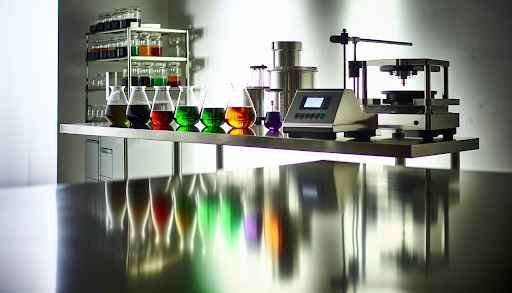
The modern medical laboratory is a marvel of engineering and digital integration. Gone are the days when medical assistants spent their entire shift manually logging entries into paper ledgers or hand-labeling every single vial with a ballpoint pen. Today, the clinical lab is a high-tech hub where biotechnology meets data science, and the role of the medical assistant has expanded to include being a proficient operator of these sophisticated systems.
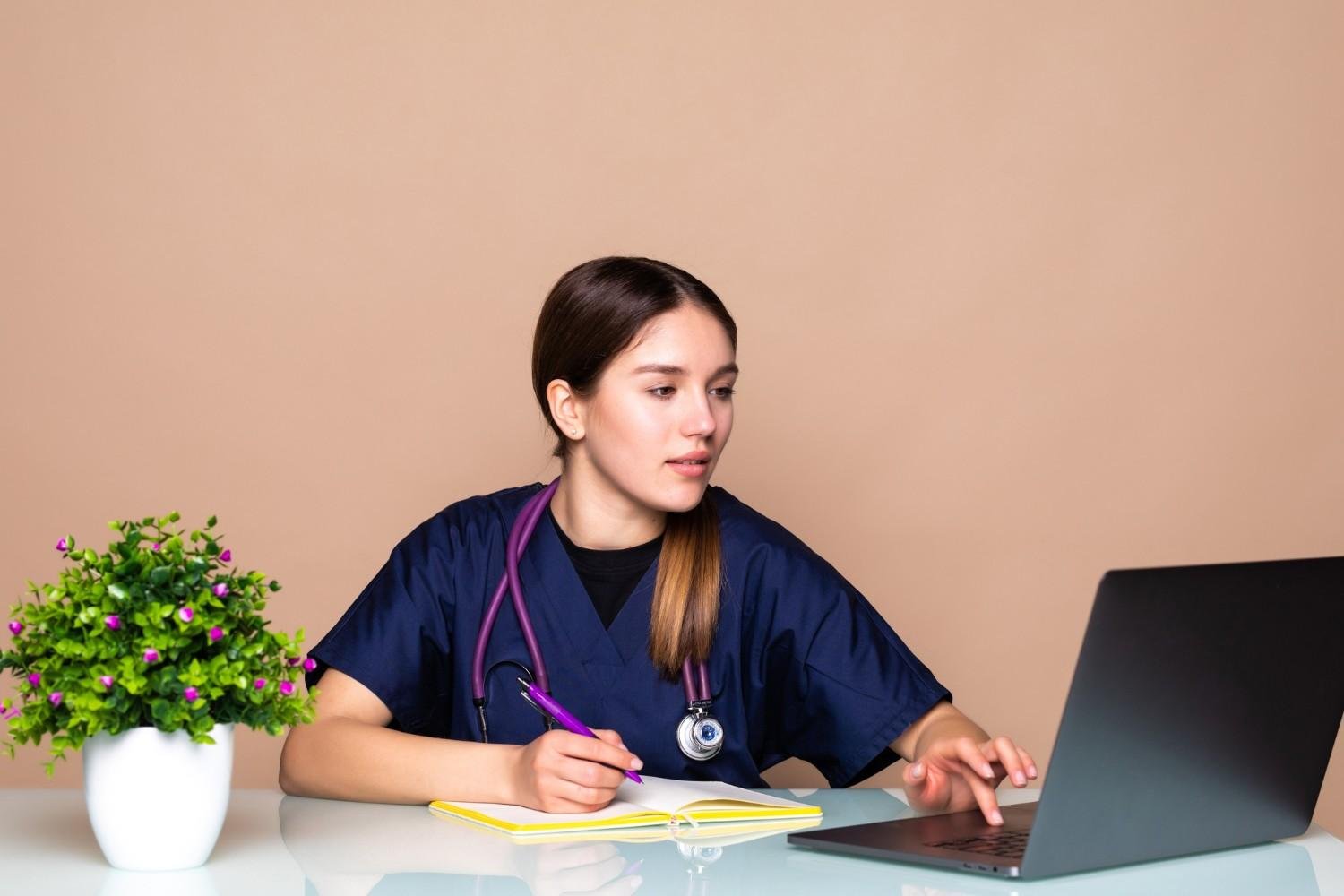
For those looking to enter this field, taking classes online for medical assistant training provides a unique advantage. Learning the digital side of healthcare in a digital environment creates a seamless transition to the electronic health records (EHR) and laboratory information systems (IS) used in modern clinics. Understanding how technology interfaces with patient care is no longer a luxury—it is a core competency.
The Role of the Medical Assistant in the Modern Lab
While physicians and specialized lab technicians oversee complex diagnostic testing, the medical assistant is often the primary person responsible for the “pre-analytical” phase of testing. This is arguably the most critical stage of the process, as errors made here can lead to misdiagnosis or delayed treatment.
In a tech-forward clinic, a medical assistant uses barcode scanners and automated tracking systems to ensure specimen integrity. They must understand the “why” behind the tests they are assisting with. Whether it is a routine lipid panel or a complex genetic screening, the medical assistant ensures the patient is prepared, the sample is collected correctly, and the data is entered into the system with 100% accuracy.
Data Precision and Electronic Health Records
One of the most significant shifts in healthcare is the move toward interoperability—the ability for different health systems to share data instantly. Medical assistants are the gatekeepers of this data. When you enroll in classes online for medical assistant certification, you spend a significant amount of time mastering EHR software.
This training is vital because a medical assistant must be able to:
- Update Patient Histories: Ensuring that new laboratory results are correctly flagged for the physician’s review.
- Coordinate Referrals: Using digital platforms to send lab data to specialists across different networks.
- Inventory Management: Utilizing automated systems to track medical supplies, ensuring the lab never runs out of essential reagents or collection kits.
By learning these systems in an online format, students become “digitally fluent.” They navigate software interfaces with the same ease they use to draw a blood sample, making them incredibly attractive to employers who want to reduce onboarding time.
The Intersection of Technology and Patient Empathy
It is a common mistake to think that more technology means less human connection. In reality, the automation of lab tasks allows medical assistants to spend more time focusing on the patient. When a machine handles the heavy lifting of data entry and sample processing, the medical assistant can focus on calming a nervous patient or explaining a complex preparation procedure.
In the clinical setting, the medical assistant uses technology as a tool to enhance safety. For example, using a vein-finder—a device that uses near-infrared light to map a patient’s veins—reduces the discomfort of blood draws. Understanding these technological aids is a key part of modern training. It shows that the assistant is not just a technician, but a patient advocate who uses every tool available to provide high-quality care.
Preparing for a Future-Proof Career
The healthcare industry is notoriously resilient to economic shifts, but it is not immune to technological disruption. To be “future-proof,” a medical assistant must be as comfortable with a tablet as they are with a stethoscope.
This is why choosing a comprehensive training path is so important. Programs like the one offered at CCI Training Center emphasize this balance between traditional clinical skills and modern digital proficiency. By merging the two, graduates aren’t just looking for jobs; they are stepping into roles where they can lead the way in clinic efficiency.
Beyond the Lab: The Versatility of the Certificate
A medical assistant with strong digital and clinical lab skills is not confined to a single type of workplace. Their expertise is needed in:
- Diagnostic Imaging Centers: Where they assist with patient intake and contrast material preparation.
- Research Facilities: Helping to manage the meticulous data required for clinical trials.
- Public Health Offices: Assisting in the tracking of community health trends through lab data.