
The Complete Guide to Veterinary Hyperbaric Oxygen Therapy in 2026

In recent years, the field of veterinary medicine has seen significant advancements, particularly in treatment options for pets. Among these, veterinary hyperbaric oxygen therapy has emerged as a promising method to enhance healing and recovery in animals. This therapy, traditionally used in human medicine, is now being adapted for veterinary purposes, offering new hope for pets suffering from various conditions.
What is Hyperbaric Oxygen Therapy?
Hyperbaric oxygen therapy (HBOT) involves placing a patient in a pressurized chamber where they breathe pure oxygen. This process increases the amount of oxygen in the blood, which can help accelerate healing processes. Originally developed for treating decompression sickness in divers, HBOT has found applications in treating chronic wounds, infections, and other medical conditions in humans. Its transition to veterinary use is relatively recent but shows great promise.
Benefits of Hyperbaric Oxygen Therapy for Pets
Hyperbaric oxygen therapy for pets can be beneficial in several ways. Firstly, it enhances the body’s natural healing processes by increasing oxygen delivery to damaged tissues. This can be particularly useful in cases of:
- Non-healing wounds
- Severe infections
- Burns
- Post-surgical recovery
- Certain neurological conditions
For dogs, specifically, hyperbaric oxygen therapy can aid in the treatment of conditions like intervertebral disc disease, which is common in certain breeds. By improving oxygenation, the therapy helps reduce inflammation and promote quicker recovery.
How Does Veterinary Hyperbaric Oxygen Therapy Work?
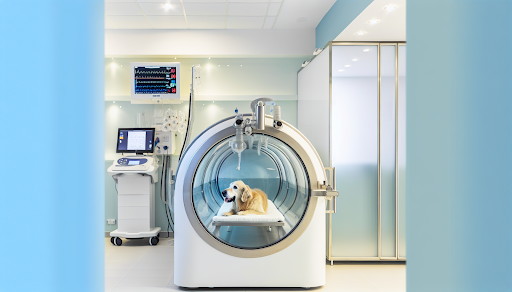
During a session, the pet is placed inside a hyperbaric chamber. The oxygen concentration is increased while the pressure inside the chamber is elevated. This setup allows oxygen to dissolve more effectively into the bloodstream and reach areas with poor blood supply.
A typical session lasts about an hour and is usually repeated over several days or weeks, depending on the condition being treated. The therapy is non-invasive and generally well-tolerated by pets, with minimal side effects. However, it’s essential for a trained veterinary professional to monitor the process to ensure safety and efficacy.
Conditions Treated with Hyperbaric Oxygen Therapy
Hyperbaric oxygen therapy for dogs and other pets is used to treat a variety of conditions. Some of the most common include:
- Wound Healing: Enhanced oxygen supply can significantly speed up the healing of chronic or infected wounds.
- Infections: HBOT can help combat certain bacterial infections, especially those resistant to antibiotics.
- Neurological Issues: Conditions such as spinal cord injuries may benefit from improved oxygenation and reduced swelling.
- Smoke Inhalation: Pets exposed to smoke or carbon monoxide can recover faster with HBOT.
The Future of Hyperbaric Oxygen Therapy in Veterinary Medicine
As research continues, the applications of hyperbaric oxygen therapy in veterinary medicine are expected to expand. Studies are exploring its potential in treating cancer, arthritis, and even cognitive dysfunction in older pets. The therapy’s ability to enhance tissue repair and reduce inflammation makes it a valuable tool in managing chronic conditions.
Moreover, as technology advances, hyperbaric chambers are becoming more accessible to veterinary clinics. This increased availability means more pets can benefit from this innovative treatment option.
Considerations and Safety
While hyperbaric oxygen therapy offers numerous benefits, it is not suitable for every pet. Certain conditions, such as untreated pneumothorax or some types of cancer, may contraindicate its use. It’s crucial for pet owners to consult with a veterinarian to determine if HBOT is appropriate for their pet’s specific condition.
Veterinary professionals will assess the animal’s overall health, medical history, and the severity of the condition before recommending therapy. They will also monitor the pet closely during treatment to ensure there are no adverse reactions.
Conclusion
Veterinary hyperbaric oxygen therapy represents a significant advancement in pet healthcare, offering new avenues for treatment and recovery. As its applications continue to grow, more pets will benefit from its healing potential. Pet owners and veterinarians alike should stay informed about this promising therapy and consider it as part of a comprehensive treatment plan for various conditions. By understanding the benefits and limitations of hyperbaric oxygen therapy, we can better support the health and well-being of our beloved animal companions.